
History
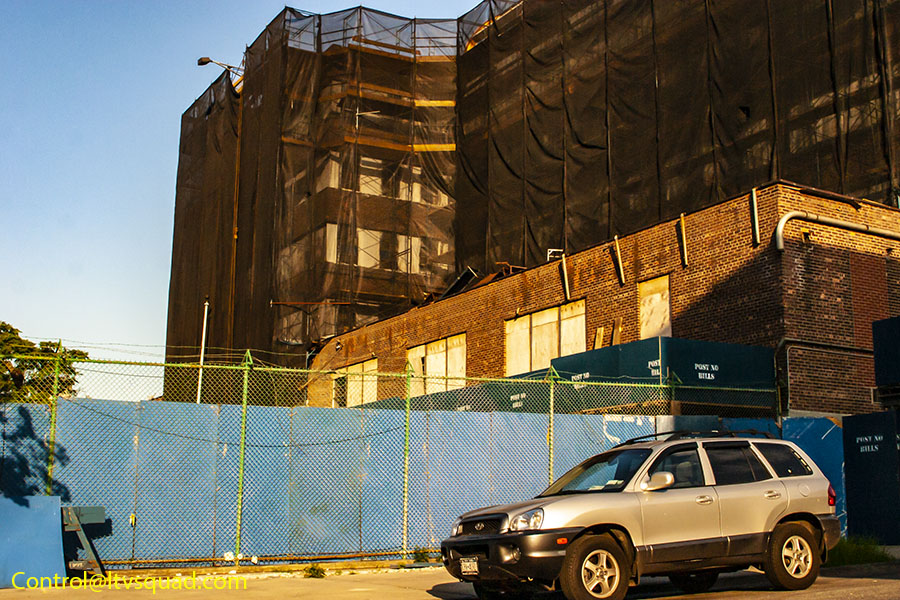
The Brooklyn Correctional Facility was the final name this building, which was far better known as the former US Navy Brig. Located just outside the Brooklyn Navy Yard, this jail was built in 1941, during world war two, and one of the most active times in Navy Yard history.
During it’s navy days, it was mostly a drunk tank, used to jail rowdy naval sailors and officers assigned to the naval yard who enjoyed a few too many drinks on Flushing Avenue.
In 1966, when the Navy was decommissioning the Navy Yard, it was turned over to the Immigration and Naturalization Service (INS)—the federal agency that predates today’s “ICE”
Eventually INS ran out of uses for it, and it was sold to the city. NYC used it as a minimum security jail from 1984 to 1994, as a means to relieve overcrowding on Rikers island. The building remained largely vacant until its demolition, though it was used in late 2001 as a temporary dorm space for Word Trade Center rescue workers who still hoped to find more survivors and remains at ‘The Pile” (as the debris mound was known at the time).
Adventure
This facility was one tough nut to crack. I had kept a steady eye on it for years before opportunity came calling: just as it’s walls were being removed.
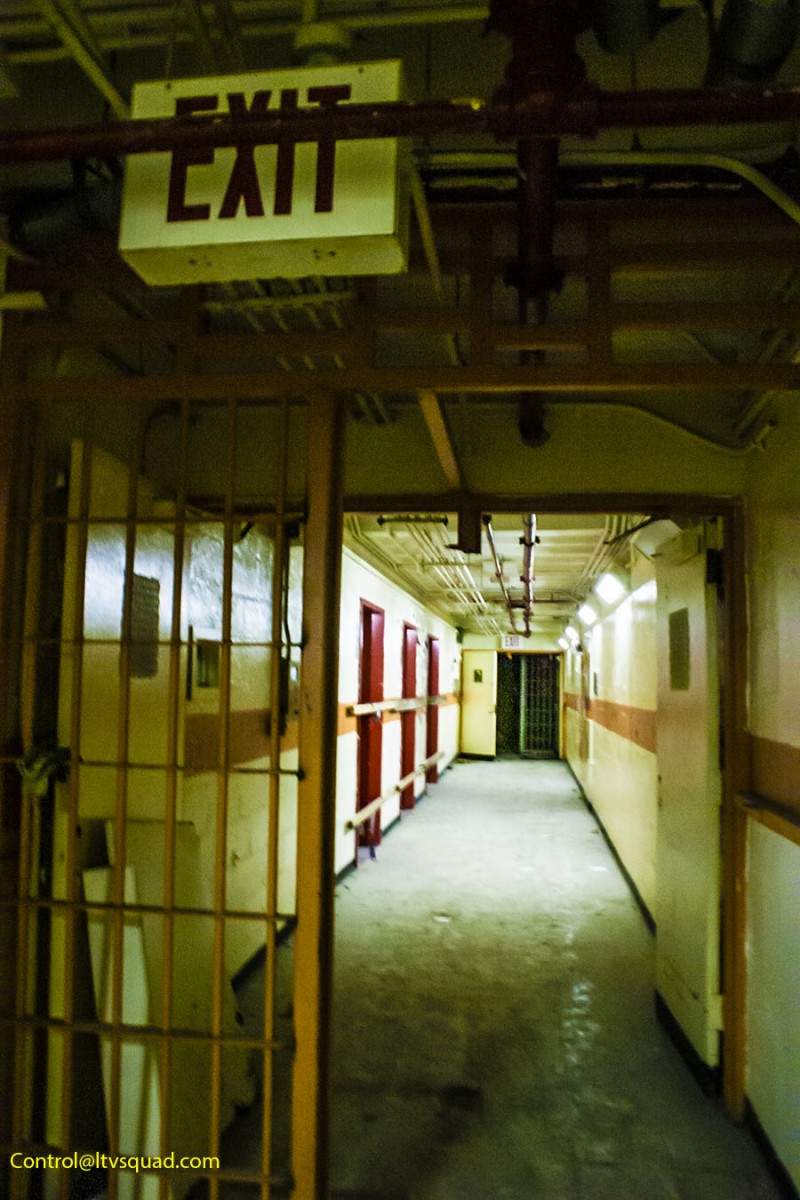
The building consisted of 3 wings, 6 floors each. Each floor contained 4 large cell blocks. The first 2 wings (from South to North) were already bulldozed when we arrived. The final wing sat untouched. In order to access this undamaged section of building, we had to make our way up a large pile of concrete rubble and in to the building via a bombed out second floor hallway. The floor was covered in large chunks of concrete, with even larger chunks of concrete dangling off of rebar from above where the ceiling and floors had already been destroyed. It was as if we were picking our way through a building in post firebombed WW2 Dresden.
Once inside this intact building segment, exploration was a breeze. The lights and electricity were all left running, and the basement area seemed air conditioned at a full 20 degrees cooler then the warm humid night air outside.
Not only was this basement area cold – it extended all the way back below the piles of rubble from the first two wings. This area was intact despite the presence of tons and tons of broken concrete and debris piled above.
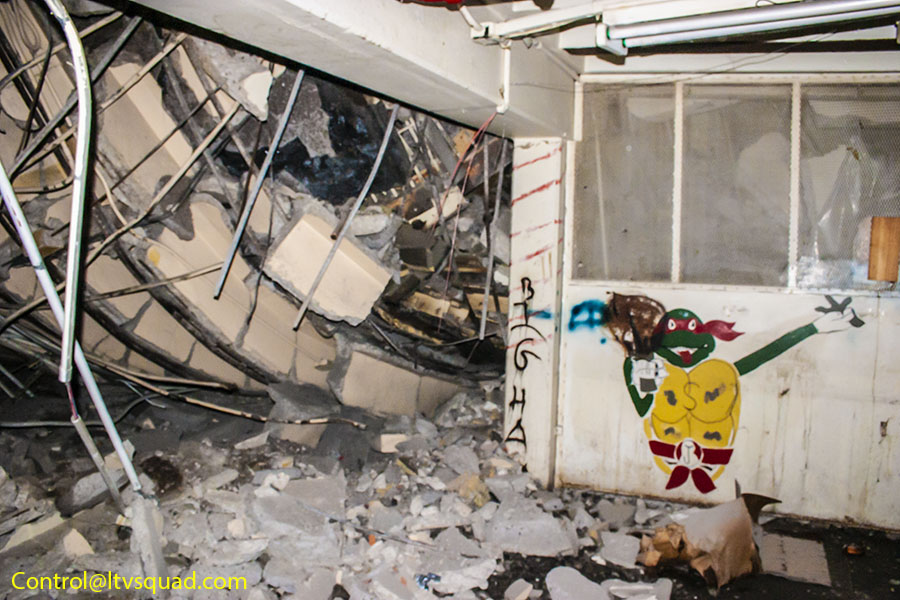
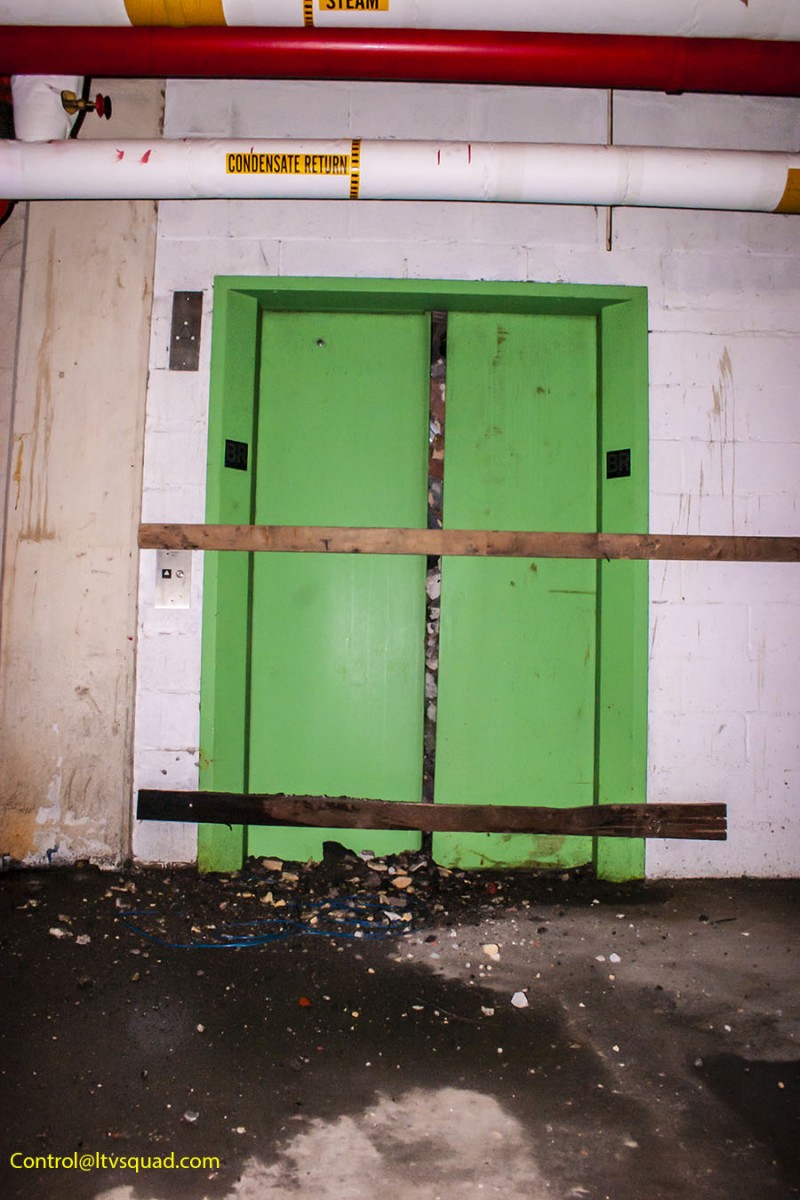
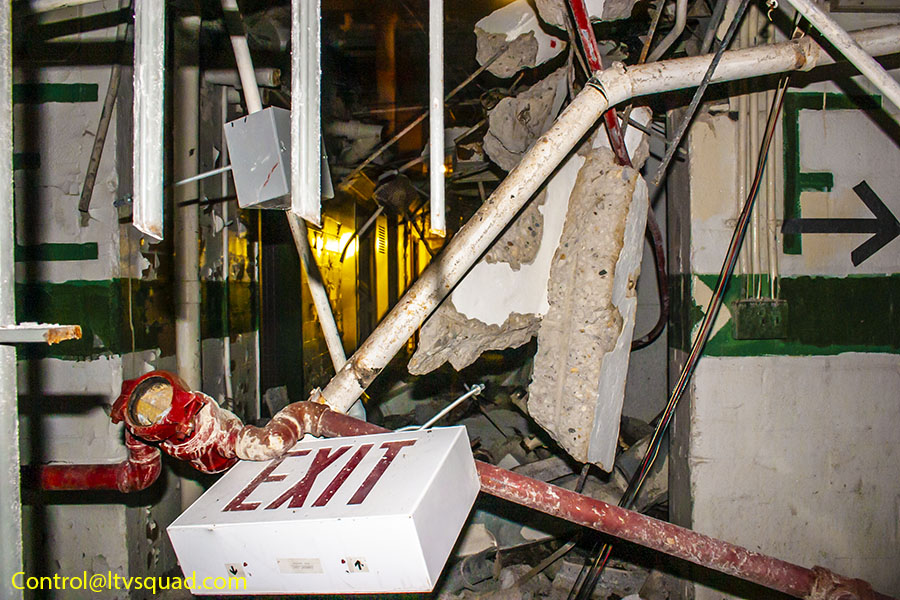
This was, to say the least, a very creepy place to explore. The lights were all still on – fans humming away in the guard stations, yet you knew that at any moment the ceiling could give way, burying you under a vast amount of smashed concrete and iron.
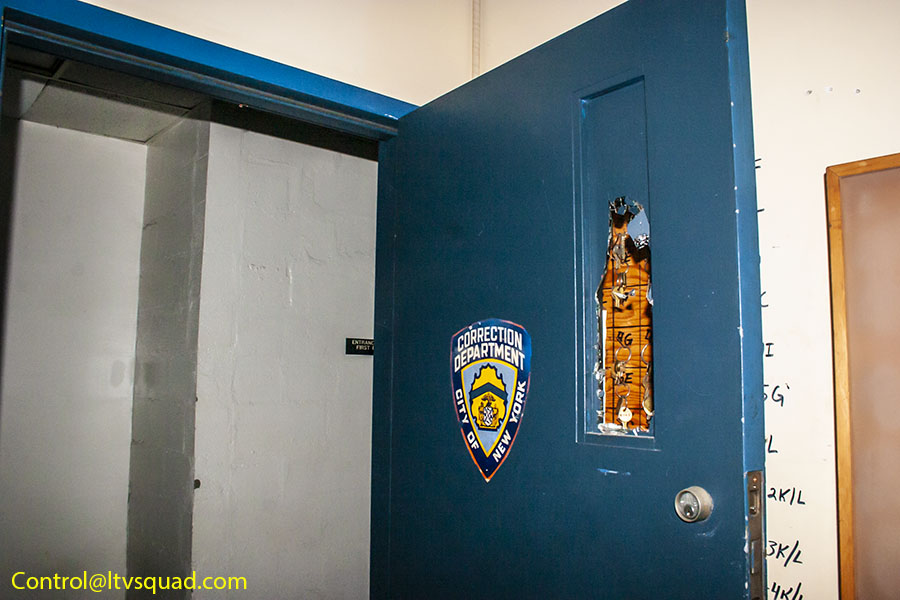
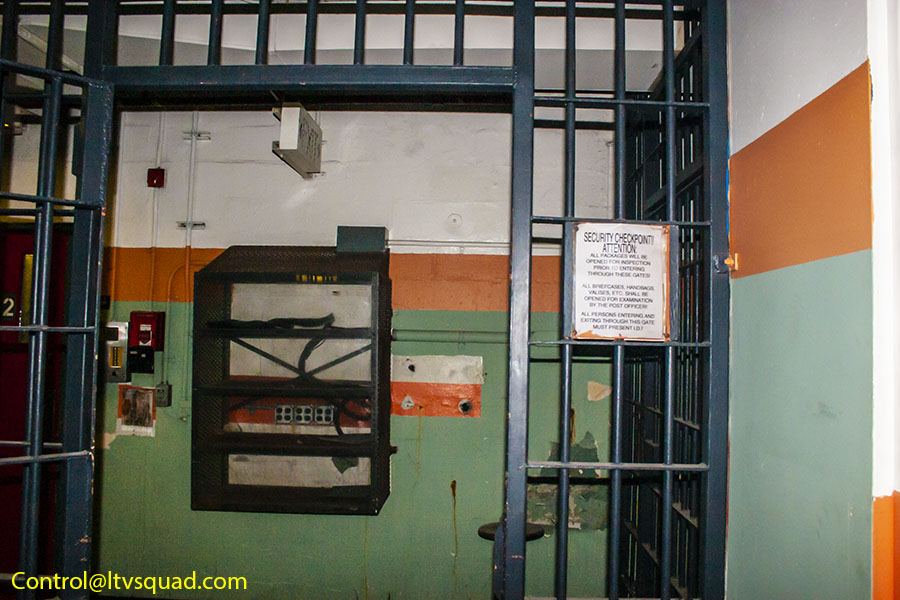
On the floors above there were many cell blocks devoid of life. Iron bars that separated hallways had been cut open by work crews. On the first floor lay the control area: a thick windowed room with a view of every side, where keys, guns, and who knows what were stored. It was here that the alarm system control panel stood beeping – alerting a staff that no longer exists of a potential fire of the same ghostly non existence. It was the system’s final cries for help, ringing out throughout what was left of the how shattered building.
The building was breathing it’s final breaths that night. Within a week it was all gone.
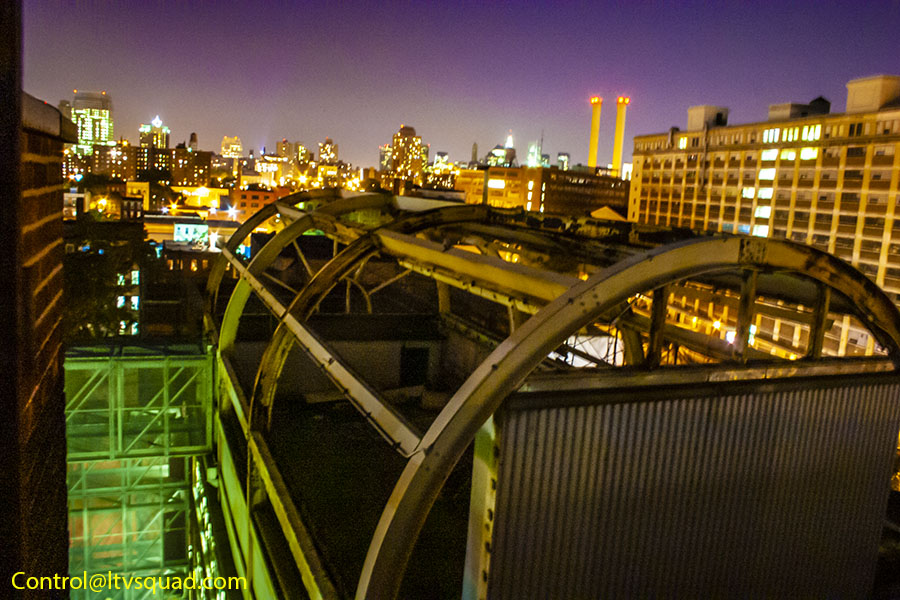
EPILOGUE
Today, December 2019, marks twenty five years since the jail officially closed. It was replaced with townhouses, which now sell for around two million dollars a pop.
Un-ironically, the NYC government is now focused on closing Rikers Island, and replacing it jails in each borough. The city could have saved a lot of money if they kept the old Navy Yard Brig, but hindsight is often twenty twenty.


Leave a Reply