Category: NYC Industrial Ruins

NYC Specific Industrial sites

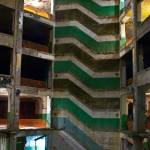
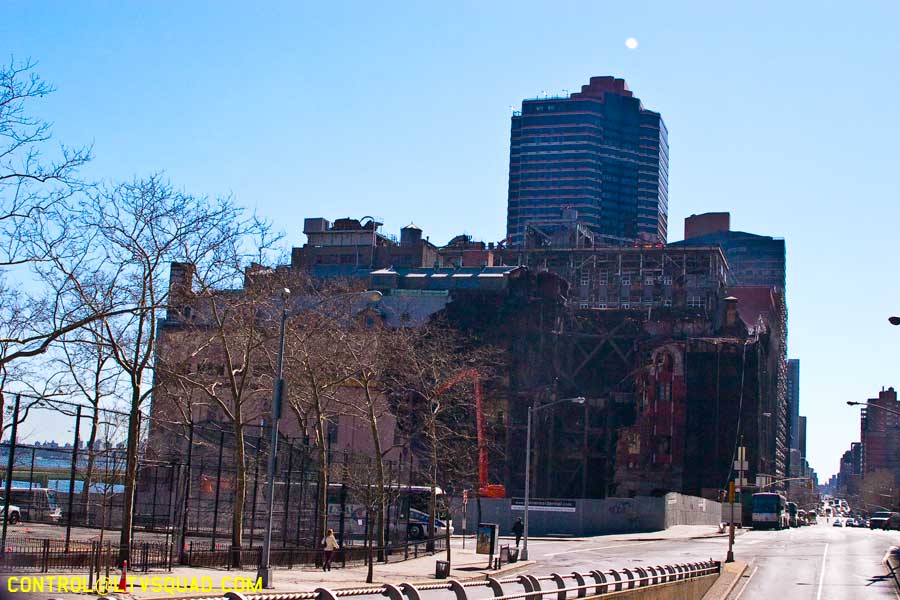
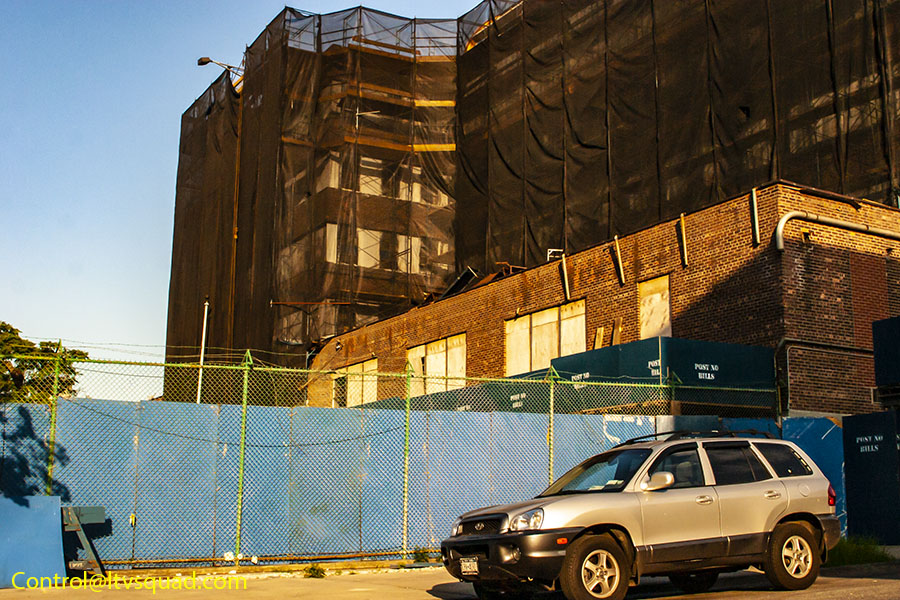
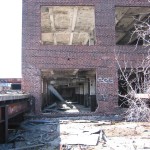
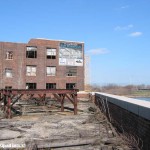
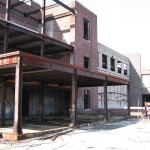
  • The Eagle: Former Eagle Electric Factory

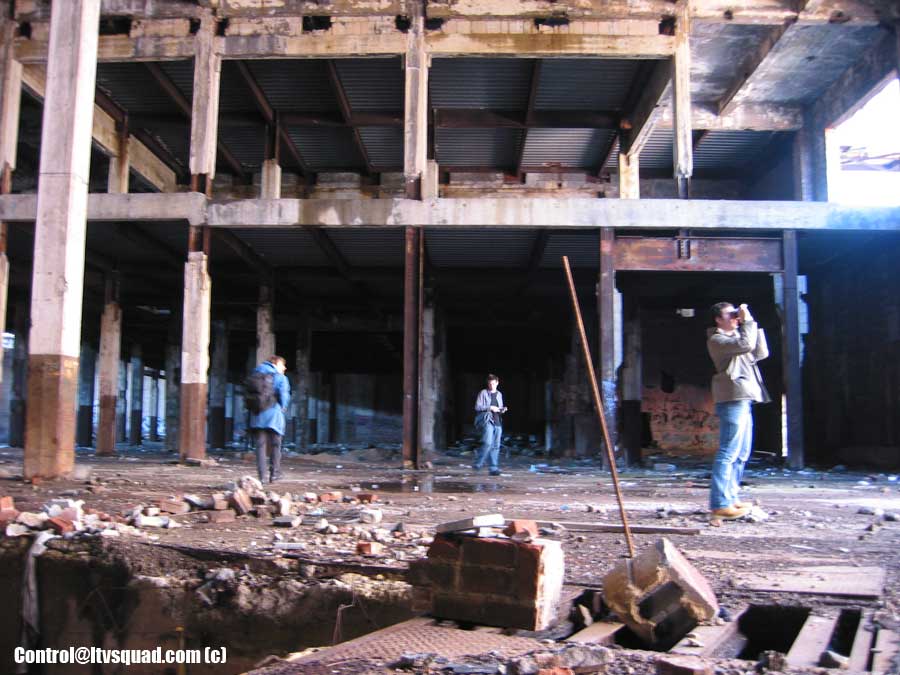
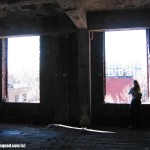
    Exploration in NYC at the moment is basically a red hot moving target – if you want to hit it hard you just got to keep moving and keep on punching the damned thing – elsewise you’re likely to miss a lot of the old spots being redeveloped… That was the case with this former Eagle Electric Factory.

    When a well respected cat told me it was accessible, we went immediately. Inside this huge warehouse had already been more or less gutted, but the remains of course proved plenty photogentic. On a second visit we came across some couple in the middle of a photoshoot.

    Before you know it though, this spot will be high priced apartments (because rich people just can’t get enough apartments around town, or so it seems), and the next 5 buildings that could ahve been explored will have already been converted…

    There’s no time to dwell if you want it all.

  • Waterside Generating Station, Manhattan, NYC

    Waterside Generating Station, Manhattan, NYC


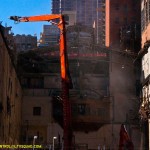
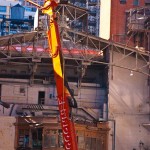
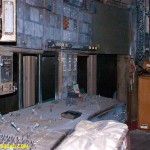
    The minute that 383Fury pointed out the Waterside Generating Station was being shut down, I knew it was ON.

    Getting in was far from simple. This spot was well secured. That never stops us though. Not when you have a power plant this huge just sitting shut down. It took some doing, but we quickly found our way around security and into the buildings.

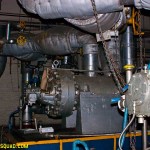
    Inside? It was LTV time. Everything was intact. Nothing broken, Nothing stolen. Most explorers never get to see buildings in this pristine state. You could hardly tell it was this buildings final hours.

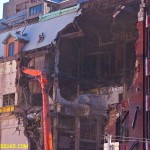
    I only got around to visiting here 2 or 3 times before demolition began. If I had it to do over again, I would have went in there every night for a month. There was just that much to see in there. Nevertheless, it was an honor to be amongst the only explorers to ever break into this facility.

    History
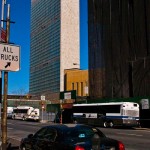
    The Waterside Generating Station located at 1st avenue and 40th street, just south of the U.N. It was a Beaux-Arts style industrial structure designed by C. Wellesley Smith. It was massive in size – covering 9.5 acres of prime Manhattan real estate.

    Completed in 1900, the Waterside Generating Station produced both electricity and steam. Steam was, and continues to be, a vital energy source within NYC’s older buildings. Grand Central Terminal, for example, is heated with Steam provided by Con Ed, and also cooled by this steam via a chemical reaction between the steam and lithium bromide within a conversion plant located under the main floor of the terminal.

    During a typical year, the Waterside Generating Station could produce over 2.4 million pounds of steam and 160 megawatts of electricity.

    Today, there is no trace of this facility. It joins the long list of former industrial sites around NYC that have been wiped clean from the maps.

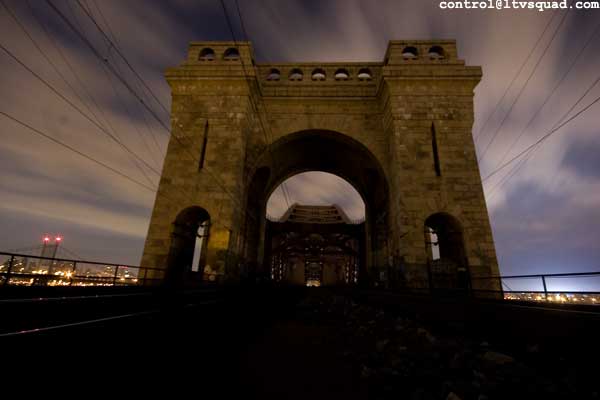
  • Hell Gate Bridge

    Hell Gate Bridge

    Looking West
    So far as I’m concerned, there is only one bridge in NYC that matters. Only one bridge worth climbing. Only one bridge shrouded in more ghost stories and urban legends than you could fit into a 200 page issue of Weird NJ. Entire movies have been written about this bridge. Hell Gate Bridge. This is its story.
    (more…)

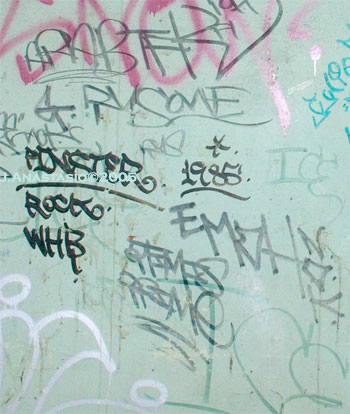
  • GTW: Old School Graffiti Room

    GTW: Old School Graffiti Room

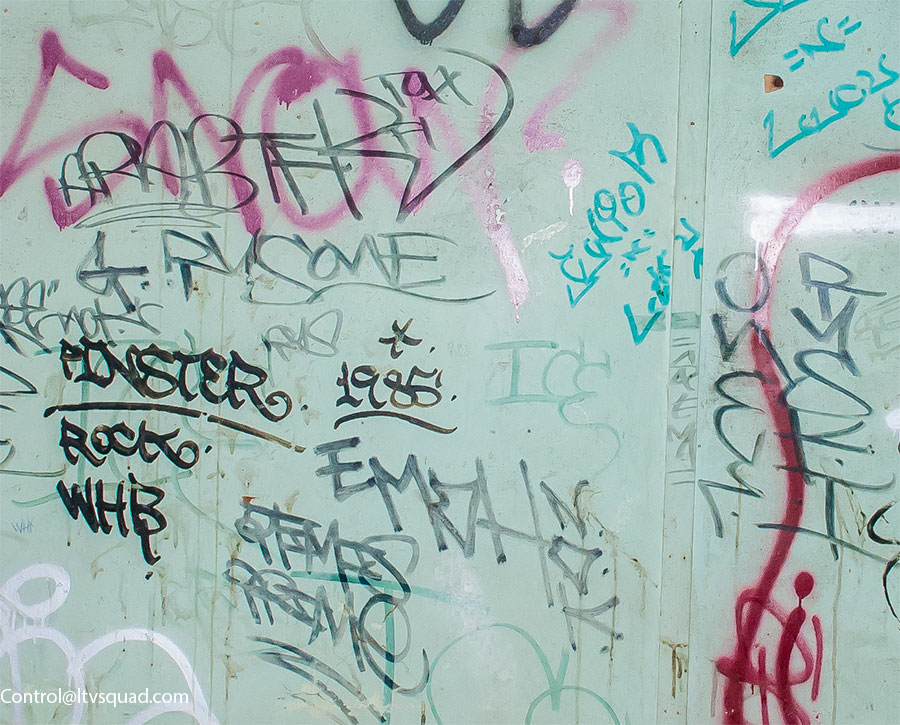
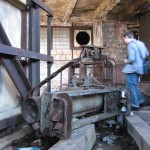
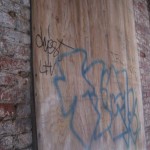
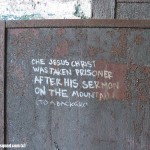
    While exploring, it is not uncommon to come across old graffiti. however, it is uncommon to come across graffiti inside of a building that is at least 20 years old.

    Witness the photos above, and get an education in handstyle circa 1985 – to find a room that is still decorated like this in the year 2005 is utterly baffling.

  • Greenpoint Terminal Graffiti Room

    Greenpoint Terminal Graffiti Room

    Greenpoint terminal was a big enough set of buildings that you could go over and over and over and still find new things. On this night we accessed a room that looked as though a squatter was living in it. Upon closer inspection though it appears the room was used as a local hang out for kids growing up in the area in the 1980s, and judging from the style of graffiti, may later have been used by some punk rock squatters.
    (more…)

  • Nelson Galvanizing, L.I.C. NY – aka NYC Taxi Hell

    Nelson Galvanizing, L.I.C. NY – aka NYC Taxi Hell

    Me, Filthy and Snatch are determined. We were here just an hour ago trying to pry our way into the old Nelson Galvanizing warehouse, all to no avail. We left, hopped in the ride and went to a construction site, combing the building in search of tools. Nothing. So we stop by my place again, get what we need, and come back 5 minutes later. As Snatch would later say ‘it’s open like your mom’s bedroom!’.

    Open indeed. both me and Filthy had wanted to come in here for quite some time. She always saw it around the hood, and I saw it ever since childhood when the place was active. Back then, LIC was still just barely clinging to it’s industrial past. This was one of several steel fabrication shops in the area. It’s also a superfund site, and is listed as one of the area’s highest contaminated plots of land

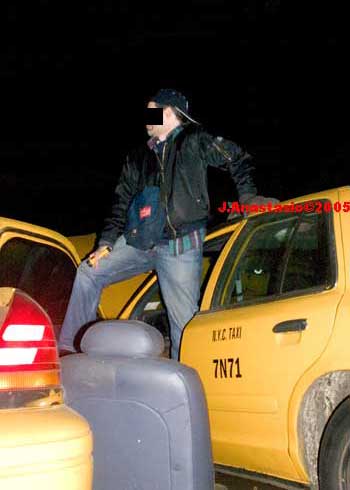
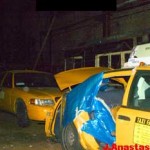
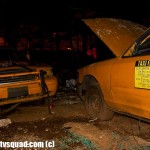
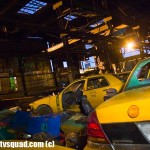
    Today though, the space has been taken over by a taxi repair shop. They leave their junk, stripped of parts taxis in this warehouse while they keep mechanics on duty in another building maintaining the rest of the fleet. You see, NYC taxi’s are owned by many different companies, just aboutt all of whom maintain a large fleet of cabs with several crashed or worn out cabs kept at their base as a part supply for those that they keep running. Taxi garages have always found the LIC area home, right along side the manufacturing shops and steel fabrication shops, thus the progression of this lcoation, from steel to taxi, keeps the location ‘in the LIC family’. To me, this is much better than had the place become condos…

    Besides, there are still plenty of remains from the old steel shop. It is as if they locked the door and walked away. An ancient truck sits rusting in the back of the warehouse, along with piles of bricks and debris. Towards the front are stairs up to a second level, where the offices once were. The floors have sagged and appear ready for collapse. Nevertheless we carefully made our way in to the corner office, where piles of paperwork and unopened mail sad on old wooden desks. There was no graffiti, and no signs that anyone had been up here in at least 20 years.

    It was a better bargain than we had wagered for, and well worth the effort.

    Update: 2013: The Nelson Galvanizing building was bulldozed last year. All of the wrecked vehicles were removed. Today (March 2013) the land is nothing but an empty lot. No soil remediation has taken place so far as we know. It joins a long list of former industrial sites across NYC that are no more.

  • Greenpoint Terminal Warehouse – Easy like a sunday morning.

    Greenpoint Terminal Warehouse – Easy like a sunday morning.

    After we found out that CF Freight had filed for bankruptcy and shut down their warehouse just south of GTW, w took advantage of the newly desolated surroundings to gain access for this, the first ever recorded daylight raid on the terminal.

    It was a bright and sunny sunday morning in spring, and it was like taking candy from a baby.

    IMG_9201

    IMG_9205

    IMG_9206

    IMG_9207

    IMG_9214

    IMG_9217

    IMG_9222

    IMG_9228

    IMG_9229

    IMG_9235

    IMG_9236

    IMG_9237

    IMG_9242

    IMG_9246

    IMG_9248

    IMG_9268e

  • Washburn Wire Factory, Harlem NY

    Washburn Wire Factory, Harlem NY


    The Washburn wire factory in Harlem was the very likely the largest factory in Manhattan. After production shut down, the factory became a haven for drug addicts and the homeless – a vast ‘mad max’ wasteland where not even the police would enter.
    (more…)

  • Brooklyn City Railroad Company / Empire Electric

    Brooklyn City Railroad Company / Empire Electric

    First time here in 1996
    In 2001, we came across the historic remains of the Brooklyn City Railroad Company powerhouse. Inside, we found a gross tribute to late stage capitalism.

    (Original write up from July 2001 (with minor edits) – Building history & Update below)

    One fine summer evening we ended our day of exploring here. As we approach the large hole in the front wall a guy that looks like he should work at a gas station emerges, grumbling to himself. Usually that sort of thing is a bad sign, but there’s 4 of us and one of him. Unfazed, we walk right in.

    Curiously, Mr. hobo-asshole comes back into the building behind us, and goes past us into a dark corner. We did the usually ‘hey what’s up?’ thing, had cameras out, and made it pretty obvious we were no sort of threat to whatever he was up to. People who are drunk, drugged and fucked up though, living in such conditions as this – as a rat amongst trash piles and battered car shells, just don’t trust anyone… as we’d later find out.

    Going In

    Looking west

    Destroyed Jag
    Insides, 2001

    The building itself was fantastic. The ceiling which once was likely composed of glass, has been smashed into oblivion. This created a nice light filled room on the first floor. Steps lead down to a smelly basement, and up to a second floor, which is the direction we take. There’s a traveling crane that covers the top of the building, so it’s safe to guess this place was once used for power generating or some other large scale industrial use. From here, one might find a hole into a second large room in the back of the building, where trash is less abundant and streamers hang from the ceiling as if someone decided to throw a party or two in this darkened room. It definitely would have made a suitable location for those early & mid 1990s rave parties common in such spaces around town at the time.

    We climb back out to the front of the second floor, and poke around a little more. I look out the doorway that leads down to the first large room where we entered, and notice 2 bewildered looking cops looking around as if they’re lost. I turn from the door and step towards everyone else… a little surprised by the sight. I had never seen actual uniformed cops in an abandoned building before.

    “The cops are here”.

    BrokeMyTV

    Hooked

    Open Cautioning

    Saying it was the only way to compute the information. What the hell were they doing here? I realized they probably spotted me in the door a second ago, so I turn back and call on down “yo – what’s up’? If they didn’t look confused before, now they really were. The rookie and the white shirt lieutenant march on up the steps. When they get to the top of the steps and the doorway, I improvise the most obvious statement:

    “Step into my office gentlemen”.

    Calm, cool, and collected. It’s the only way to be. Any potential negative confrontation is dispelled immediately. What are we doing here? Taking photos. Hello! We’ve got at least 5 cameras amongst us! All already out in the open. It was frankly hilarious how we all said the same thing at the same time.

    They give the usually schtick (I suppose) about PCBs, Asbestos, lead paint, and dangerous hobos. I think the only dangerous thing about the hobos around here are that they had to call a proxy defense… for what? As if we’d want to take some hobo’s junk…

    We all walk out and go our merry way. No names taken or anything like that. It was the first, and so far last, time we’ve ever encountered the police at such a place.

    Fusebox

    Crane Gears

    Top Floor

    History
    The building was constructed in 1892 by the Brooklyn City Railroad Company for use as a power plant for the municipally owned trolley system. The building was used for electrical generation until the 1930s when the trolley system was abandoned. The facility was conveyed to the city of New York in 1940. In 1951, the property was sold and the parcel was subdivided into two lots (Lot 9 and Lot 6). On 5 September 1951, Lot 9 was sold to Empire Electric which operated on Lot 9, the eastern two-thirds of the building, from 1951 to December 1986 when the property was once again sold. During at least some of this time period, activities within the building included rehabilitation of electrical transformers containing polychlorinated biphenyls. The site has been vacant since at least 1998 and is currently roofless and in severally deteriorated condition. Scaffolding has been erected around the perimeter to protect passer-bys
    on the sidewalks from falling bricks.

    Based upon investigations conducted to date, the primary contaminants of concern are PCBs. Building material (brick and mortar contained PCB concentrations in excess of 50 ppm, the New York State and Federal Toxic Substance Control Act (TSCA) definition of PCB hazardous waste, in 35 percent of the 165 analyzed samples. Sample analysis of the floor slabs indicated, 60 percent of the concrete slab on the main floor and 80 percent of the concrete slab in the basement area exceed this criteria and are therefore classified as a State/TSCA hazardous waste.
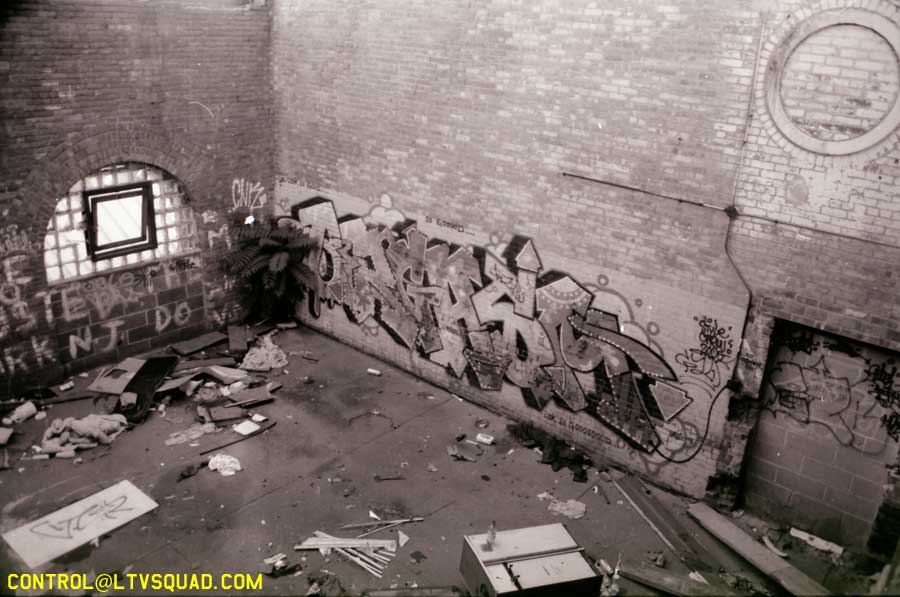
    SC crew graffiti

    Top

    Looking out the doorway just before the cops appeared below

    Grease/oil samples collected from building material in the basement present on nearly 70 percent of brick pillar surfaces, also exceeded the TSCA criteria of 50 ppm total PCBs. Fifty-two of the 165 building material samples collected and analyzed contained levels of PCB contamination ranging from 51 ppm to 33,000 ppm.

    A limited number of soil samples which could be collected from beneath the basement floor exceeded the 1ppm surface/10ppm subsurface soil cleanup presumptive remedy for PCB contamination in soil. Two of these soil samples also exceeded the hazardous waste levels. Further characterization of the vertical and horizontal extent of the PCB contamination is needed but is precluded by the limited access in the basement areas. The site presents a significant environmental threat due to the potential for PCB releases from source areas both within and beneath the building.
    (Source: Interim Remedial Measure Decision Document – Division of Environmental Remediation. Empire Electric Site
    Brooklyn, Kings County, New York. Site No. 224015, September 2012)
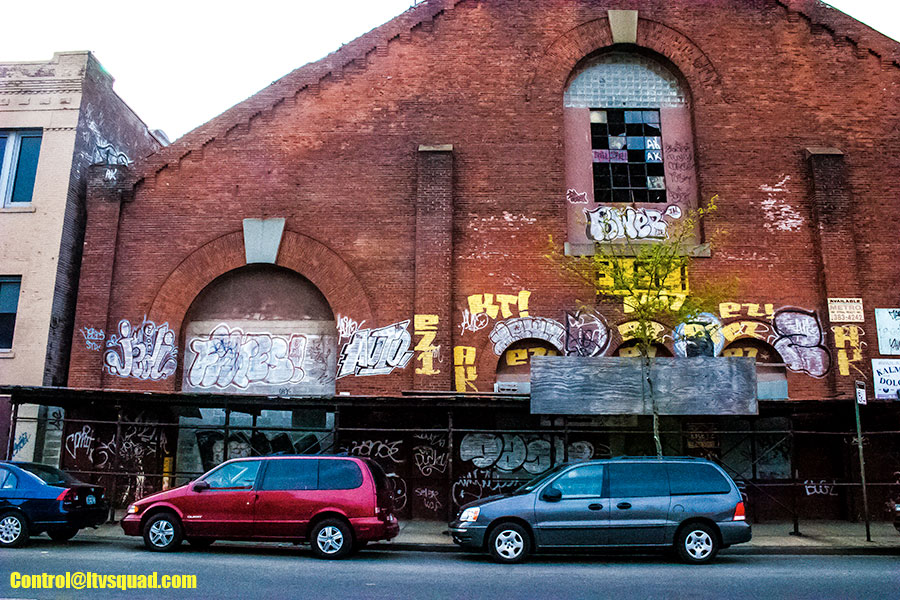
    Exterior, I believe in 2003

    2003 - plenty of hobo camps

    2003 - plenty of hobo camps

    2003 - plenty of hobo camps

    Update. March 2014:
    Demolition work on this building is set to begin within the next few years. When we first ventured into this building, there wasn’t any information about it online. Reflecting upon that visit in 2001, it’s interesting that the police officer that day knew the building was contaminated (I was young and skeptical), and explained why we should leave – yet didn’t evict the homeless guy. I would hazard a guess that they knew he’d just go back in, and some other city department was in charge of (and neglecting to) seal up the building. it was at least a year before the entrance was sealed. Since then few have bothered to try to enter this building illegally (though one or two people did get photos with legal permission). It wouldn’t be hard to get in via the scaffold, though I honestly wouldn’t recommend anyone spend actual time and effort breaking into this one, unless you reaaaaally want to see it before it’s gone.

    Update #2 – August 2016:
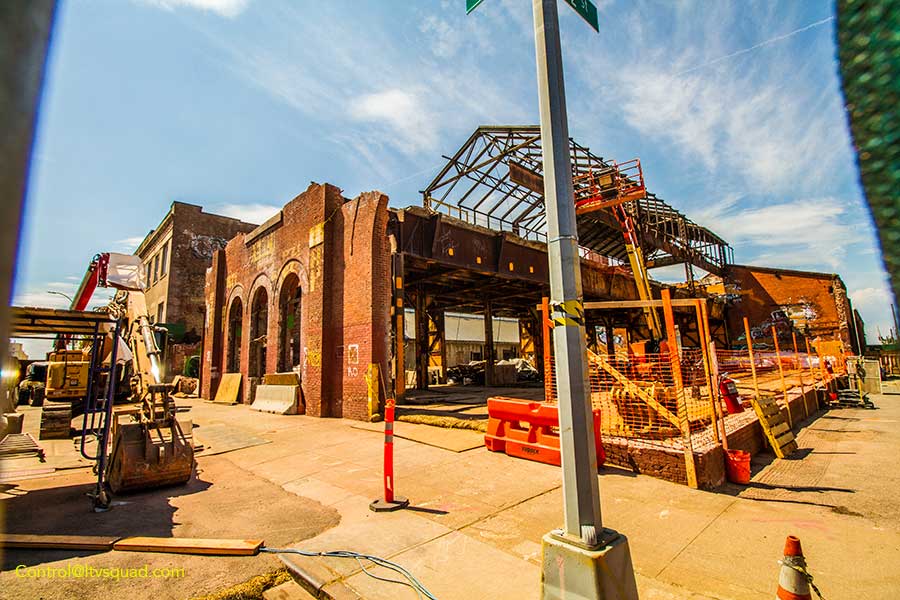
    Building Demolition has begun, and will likely be finished within the next month.
    IMG_5128