




History
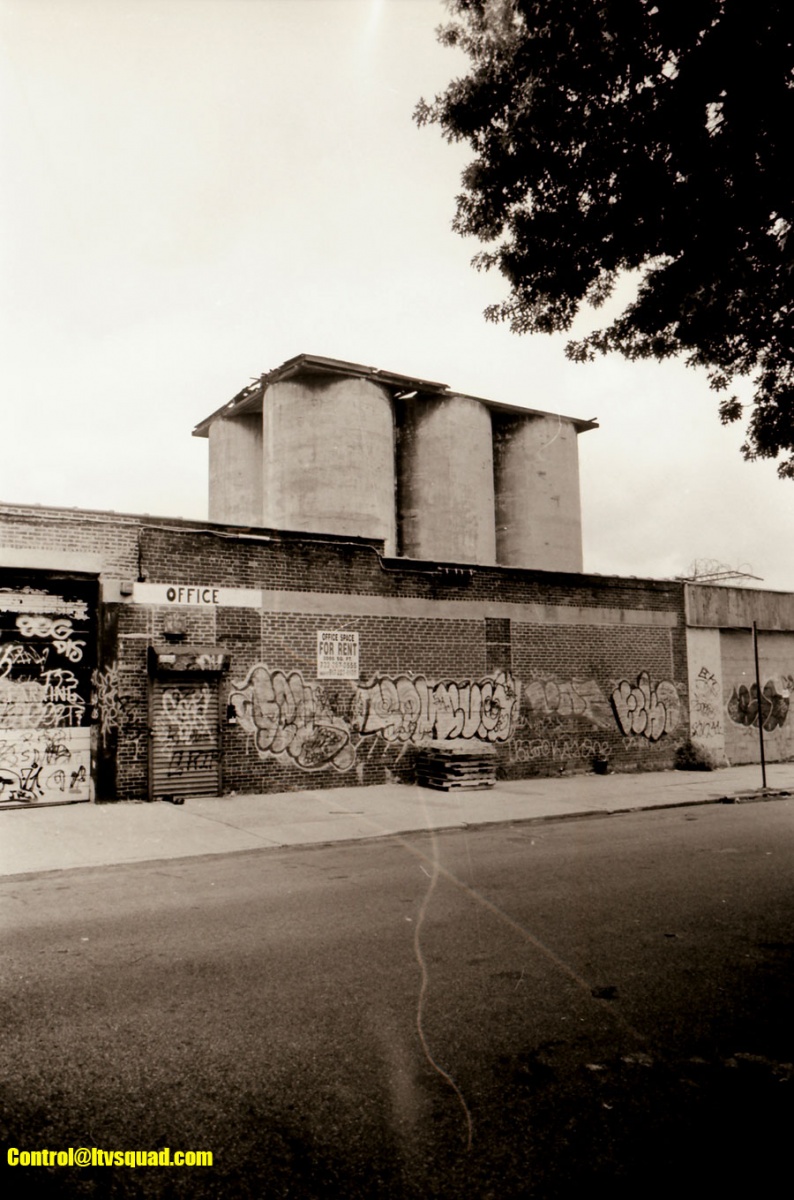
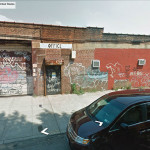
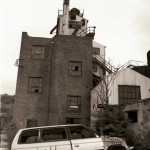
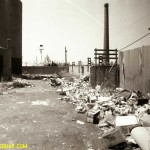
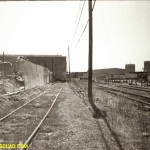
The Quanta Resources Site is an approximately 1.8 acre parcel located at 37-80 Review Avenue, within a highly industrialized area of Long Island City, Queens, New York.
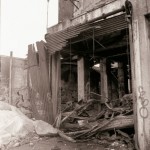
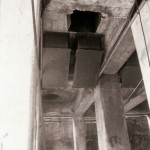
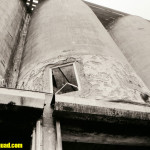
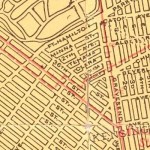
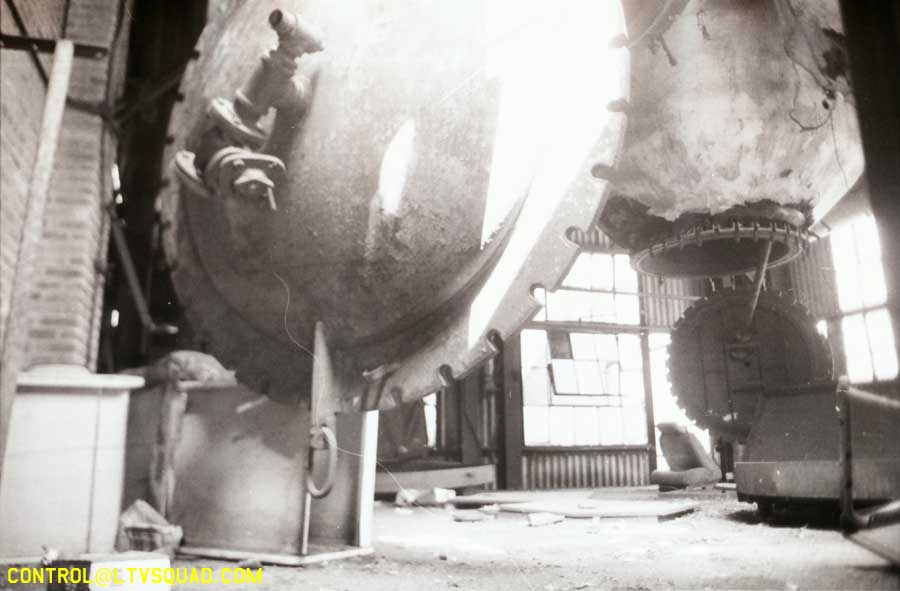
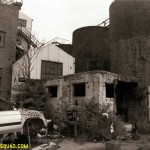
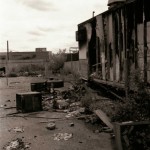
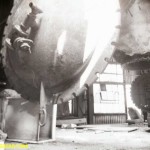
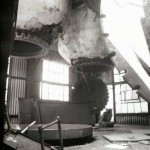
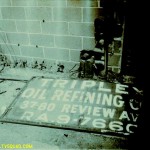
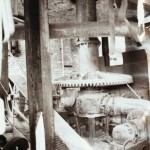
A Sanborn Fire Insurance Map from 1898 indicates that the site was partially occupied by vacant and dilapidated brick wrecks of an oil refinery. Available information indicates the earliest recorded actual owner of the property was American Agricultural Chemical Company. In 1931 the property was transferred to Triplex Oil. Triplex Oil used the property for refining of used crank case oil for approximately 40 years. From 1972 until 1980 the facility was operated by several different owners including Pentalic Corporation, Sea Lion Corporation, Ag-met Oil Service, Inc., Hudson Oil Refining Corp., and Portland Holding Corp. In 1980 Quanta Resources acquired the property, and used the property for the re-refining of used crankcase oil and other liquid recycling before filing for bankruptcy on October 6, 1981. The site has been inactive since being abandoned in November 1981. Tanks and several buildings remain on site. A number of potential LNAPL source areas existed on the Quanta Resources Site throughout its operational history, however, the primary suspected source area is the tank farm area located in the northeastern portion of the site. A New York City emergency remedial action removed approximately 640,000 gallons of waste oil from the property. Some of the waste oil contained tetrachloroethene, methyl chloride, 1,1,1-trichloroethane and trichloroethene. Sludge, waste oil, and diesel fuel, all contaminated with PCBs, were also removed from badly deteriorated leaking tanks and drums. As part of NYSDEC’s Phase II Investigation, three on-site groundwater monitoring wells were installed. During installation it was discovered that there was a seven foot layer of oil lying above the groundwater table. A PRAP Public Meeting was held on June 28, 2006 and the public comment period closed on August 3, 2006. The ROD was signed 2/9/07 requiring a $15,560,000 remedy which includes an LNAPL recovery system. See C241005 for post ROD updates.
The site presents a significant threat due to the soil and groundwater contamination, free product LNAPL plume and close proximity to Newtown Creek. Soil and groundwater contamination has been confirmed. The primary contaminants of concern include petroleum hydrocarbons, chlorinated solvents, heavy metals and PAHs. Measurable LNAPL was found in 24 of 29 onsite and offsite monitoring wells.
Waste oil previously stored on-site has caused widespread contamination of groundwater and soils. Approximately 500,000 gallons of contaminated waste oil remains at the site, floating on the water table. The aquifer of concern is not used as a source for drinking water. Groundwater wells in this area of Queens are used only for commercial and industrial purposes. A fence surrounds the site restricting access and minimizing the potential for direct contact exposures to on-site contaminates. The potential exists for the floating oil plume to migrate into the nearby Newtown Creek which empties into the East River. Further investigation is required.
Source: http://www.habitatmap.org/markers?marker_id=108-quanta-resources – Accessed 4/16/2013
Adventure
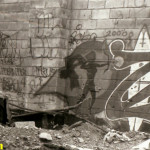
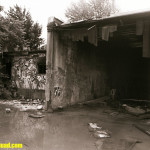
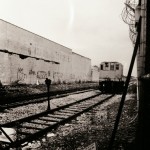
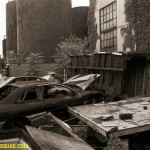
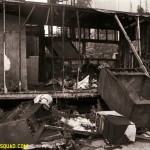
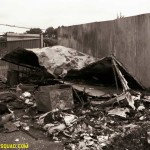
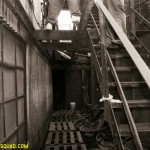
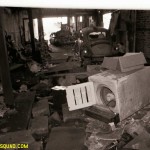
My first trip into this place was a late night mission with ‘Ms Rabbit’ – a ridiculously hot girl I went on endless adventures with through the 1990s. When we stumbled across this place, it seemed like the perfect playground: open, clearly abandoned, and in the middle of nowhere. The lot was tightly packed with abandoned cars, which we started climbing over to make our way around the building and storage tanks which were at the center of the property. When we got to the rear of the building, we found hostility.
From the back of a trailer a pack of drunken middle aged guys started stumbling around. “Hey! Girls!’ Come Here!”
I immediately placed my hand on my concealed weapon and growled ‘we’re not women’. Clearly they mistook the long hair I had at the time, though there was no hiding Rabbit’s curves. This was one of those rare cases where her looks and charm would not curry favor. I wasn’t too worried though, the kitten had claws.
They seemed really drunk and confused. We backed out, and found greener pastures for adventure that evening.
I wasn’t done though. I came back during daylight hours, scouting it out once on my own and returning with a larger well armed group of young guns later. During my scouting trip I ran into the residents of this oil refinery – a group of a dozen drunken polish squatters. Back in the late 90s it wasn’t uncommon to stumble across groups of polish squatters at industrial sites near Northern Brooklyn / Greenpoint (which was and still is to a degree an extremely polish neighborhood). I say they were severe alcoholics because my scouting took place on a Sunday morning at noon – and they were already drinking. One of them insisted I come over to their trailer to take their photo. I don’t usually do so, as I don’t like to exploit the misery of the homeless. Just inside the door was a dirty blond lady who lived there, commenting on ‘see, this is the way people live’ – as if in disgust. Inside were half a dozen of them watching a soccer game. None of them knew beyond a few words of English.
When I returned a few weeks later with a group, their trailer had been torched. No one was around.
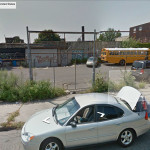
Within a year or two of this final visit in the spring of 2001, the facility was dismantled. Today it is a truck parking lot. It remains a superfund site with cleanup pending. It is just one more former industrial location now wiped clean from current NYC maps.
Update: November 2014:
A neighboring property owner is now trying to sue to get the land cleaned up – citing very high and dangerous methane levels in the ground.
“Lawyers for a Queens beverage company are sounding the alarm that there’s an imminent threat of an explosion at its Long Island City warehouse due to methane gas leaking from waste oil at the adjacent property, the Daily News has learned.
They’re seeking an injunction in Brooklyn Federal Court ordering Exxon Mobil to deal with the longstanding problem at the contaminated site where recent tests show methane gas readings are 10 times the acceptable level of risk, according to court papers.” (NY Daily News – accessed November 4, 2014)