Category: NYC Industrial Ruins

NYC Specific Industrial sites

  • N4th Street Realty

    N4th Street Realty


    History
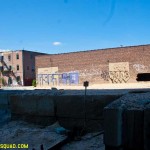
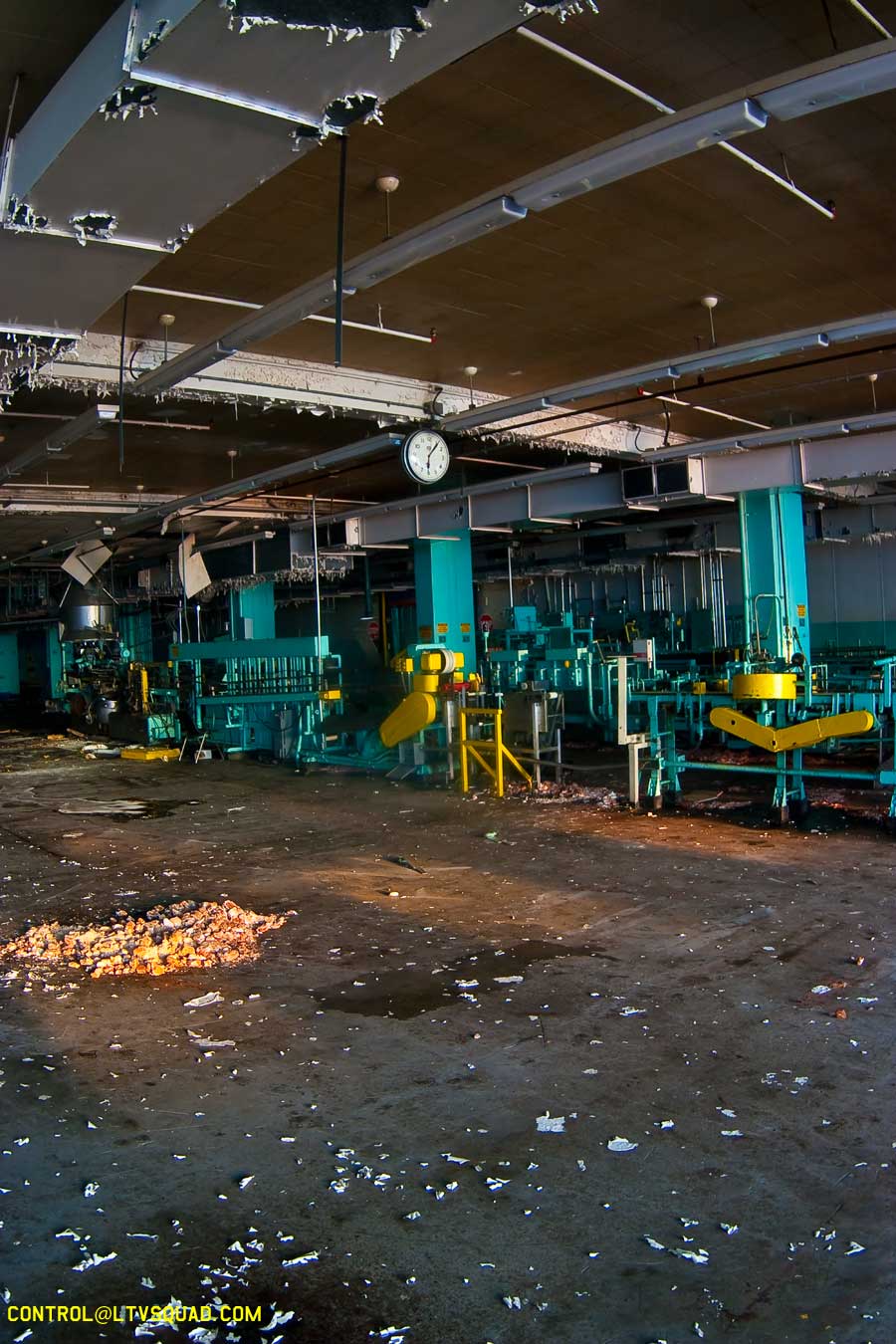
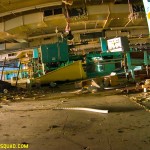
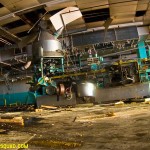
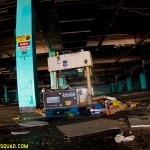
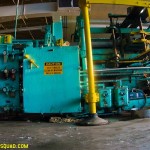
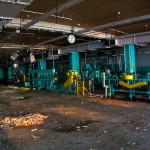
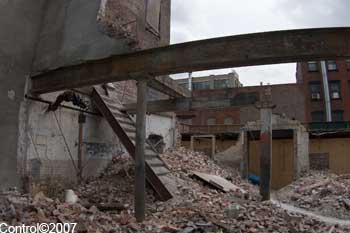
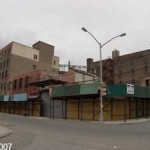
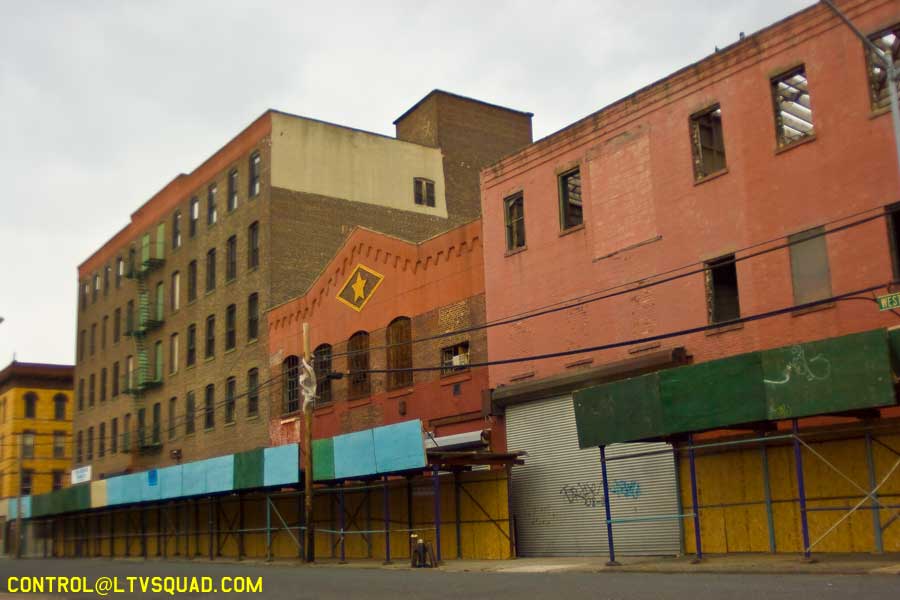
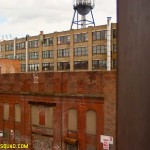
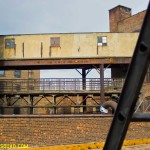
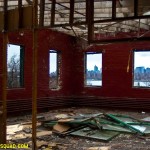
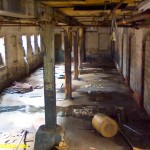
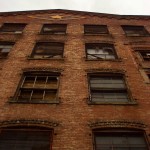
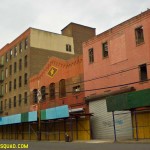
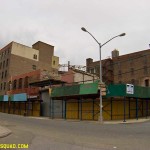
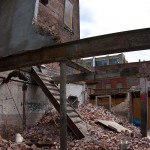
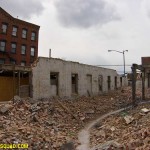
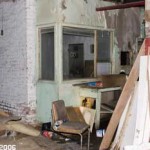
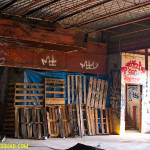
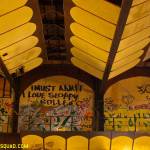
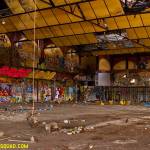
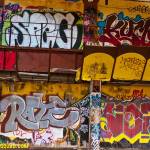
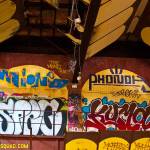
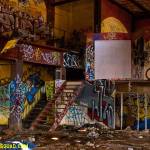
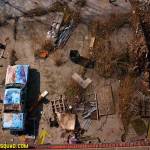
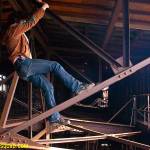
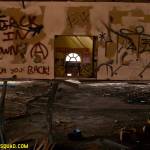
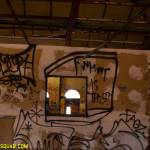
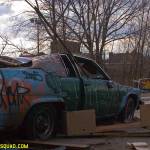
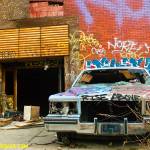
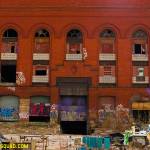
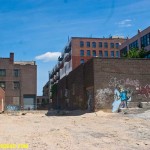
    The only reference to this building that I could find online is via a map located on the Brooklyn Eastern District Terminal railroad site. it was located at the southwest corner of N4th street and Wythe. The rear of the building had loading docks which opened to a railroad siding, thus it’s somewhat likely that the building was also used for transloading goods from boxcars to trucks. If you happen to know more about this building, by all means please comment below.

    Adventure
    Ok so I think your FAT MOM lived here, cuz I yelled “Hey Kool Aid!” and she came busting through the wall.

    Enough of my attempts at humor.

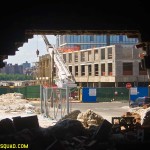
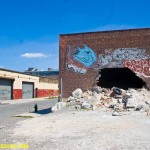
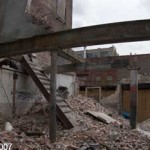
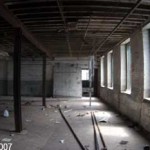
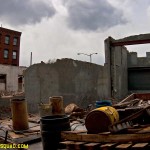
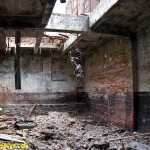
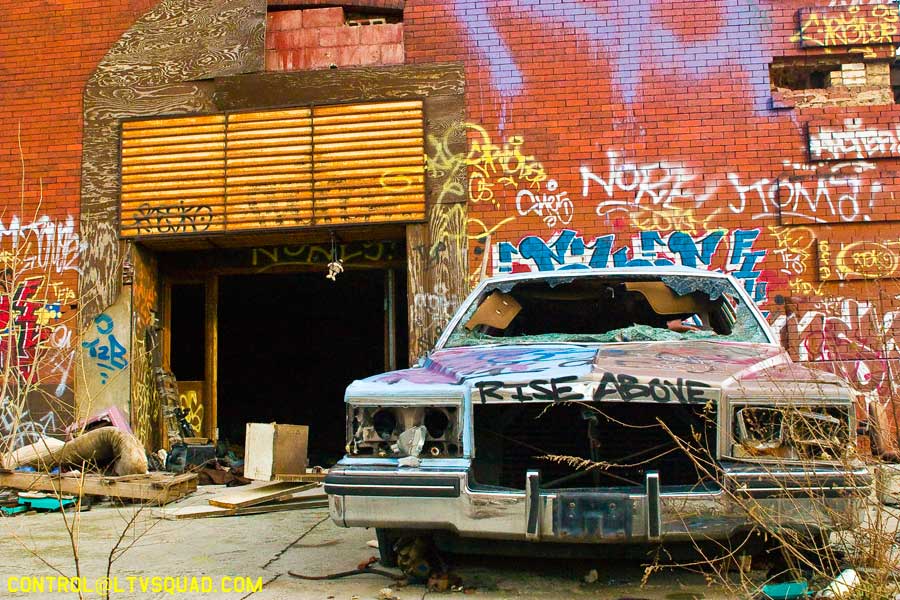
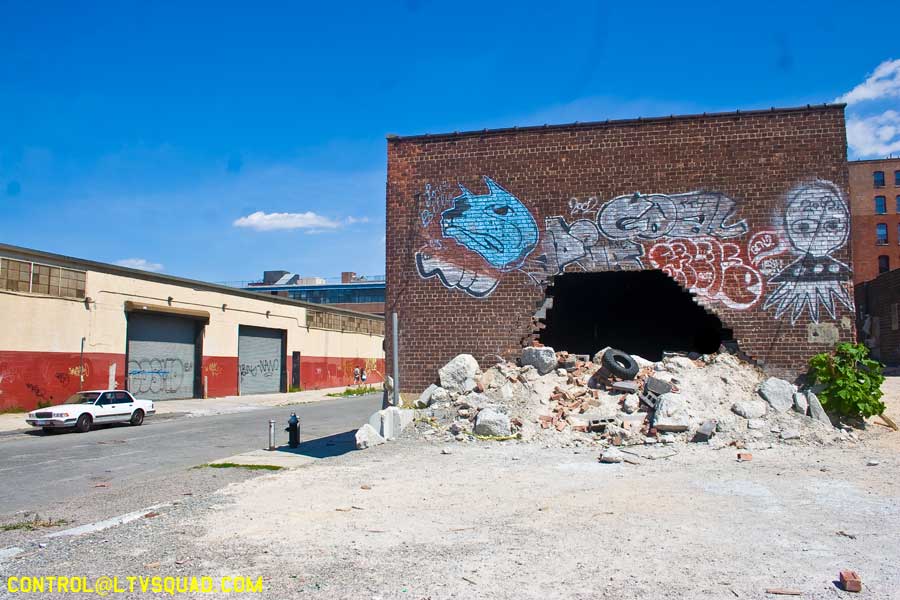
    It’s kinda hard to not go into a place when there’s a huge fucking hole in the wall.

    It’s kinda hard to not go into a place when there’s a huge fucking hole in the wall. As a matter of fact just before we walked into this one some set of hipster assholes paraded right on in and then disappeared. They probably realized we were already in there and thus afraid of actual native NYers.

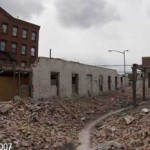
    Hey that’s ok, I don’t give a god damn. I’m not a photo snob who only explorers abandoned mental hospitals and well aged decaying buildings. I’ll explore anything… and I’ll photography the hell out of it. In a year or two none of this will be here, and I’ll have some of the only photographic evidence that this place existed at all.

  • The abandoned Domino’s Sugar Refinery

    The abandoned Domino’s Sugar Refinery


    For many years, the Abandoned Domino’s Sugar refinery on the Brooklyn waterfront was a playground for explorers and graffiti artists. As usual, we were in first.

    In 1857 they started refining sugar on this property, and that practice continued until the early 2000’s. The Dominos refinery’s closure was not a happy occasion, a fact that seems to be overlooked by just about everyone reporting on the situation there today. In 1988, the company was bought by an overseas firm that in 1998 handed the union a raw deal – a contract that demanded a lot of give backs and a slap to the face of the working man everywhere. The union went on strike, but they got no backing from their national organization. Left out in the cold for more than 20 months, the union finally gave in and the company got to ram their raw deal down the worker’s throats. It wouldn’t even last that long though. With production so far down while the strike was on, the place never seemed to recatch what it once had… They closed up the factory and sold the property in 2004. A sick and sad end to a long storied history.

    Today the Abandoned Domino’s Sugar refinery stands vacant and quiet. Security cameras line the facade and guards wander around… inside, the buildings are dark and quiet. The floors are sticky with sugar product. It’s just one of the dozens of abandoned industrial buildings located around NYC.

    Such a large industrial site as this, located on prime real estate, will surely not last much longer. Plans to redevelop it are already made. How much longer it will stand, who knows… The only thing I do know is that preservationists wish to preserve the company sign that is on the side of one of the buildings here… and to that, I say maybe those preservationists should talk to some of the people that worked here and were eventually forced out and see what they have to say about that…

    If I was one of them, I’d want to drive the wrecking ball through the sign myself.

    Update: 2018.
    This property has, of course, been redeveloped into residential housing.

  • Eberhard Faber Pencil ‘bando: Going Going Gone

    Eberhard Faber Pencil ‘bando: Going Going Gone

    The Eberhard Faber Pencil factory is breaking them all in terms of demo time. One month ago the boards went up around it, and here we are one month later, one building of the 3 almost completely demoed, the second building being smashed hard, and the third and largest, still intact, but actively having all electrical and plumbing scrapped.

    What will be left if I bother to come back next month? Probably not even a pile of bricks.
    For a complete history of this place, check out my first article about it.

    Update 2018
    Obviously this place is long gone. With their conversion to residential use, NYC has lost another set of abandoned industrial buildings.

  • Faber Pencil Factory

    Faber Pencil Factory


    In 2007, 2 buildings which were once part of the Eberhard Faber Pencil company in Greenpoint were demolished, and a third was converted to condos. Here is a look into all 3 just as they were being demoed/renoed.
    (more…)

  • Toxic Abandoned Extroplating Factory in the heart of Williamsburg

    Toxic Abandoned Extroplating Factory in the heart of Williamsburg


    In 2006 we happened across an abandoned Extroplating Factory mere steps from the intersection of North 7th street and Bedford in Williamsburg. At the time we had no idea what we were getting into.

    Adventure:
    So I’m out doing really bad things with The Chef and we walk by this tagged up building. Chef goes up to the door and smells abandonment. Sure enough the fucking front door is unlocked. This is unfriggin believable. Hundreds of people walk by this abandoned building every day – yet not one of them was curious enough to give the door a little tug?

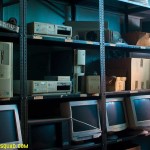
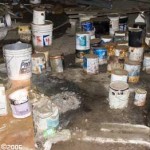
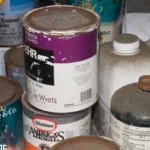
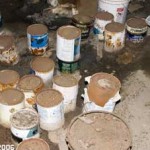
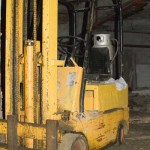
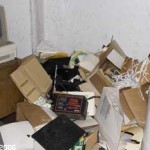
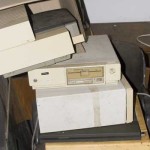
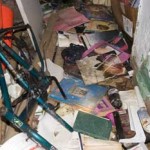
    This building was filled with junk – everything from a huge vinyl record collection to piles of old 1990s computers and a forklift. And let’s not forget the lines of bucket paint – more than enough for a graffiti writer to go on an all city roller bombing spree.

    So what was this place?

    History
    Apparently it was a former electroplating and metal-finishing plant that closed in 1997. The EPA claimed that the now abandoned Extroplating Factory was cleaned it out – yet there was still plenty of crap stored in this place (as seen in the photos). According to the EPA: “EPA inspected the site this Spring at the city’s request and found an incompatible mix of heavy metals, acids, corrosives and other hazardous materials improperly stored in leaking drums and bags. Several open vats and tanks containing a variety of chemicals and heavy metals are also inside the deteriorated building where fires and vandalism have occurred. Two trailers are parked outside the building that contain corrosives and acids in pails and drums.”.

    Today, this abandoned Extroplating Factory is completely gone. It was bulldozed in 2011, and replaced with apartments and a very large Starbucks (no, you can’t make this stuff up).

    With it’s demolition, NYC lost one more industrial ‘bando.

  • Inside the Brooklyn Navy Yard: Abandoned Dry Dock Cranes

    Inside the Brooklyn Navy Yard: Abandoned Dry Dock Cranes

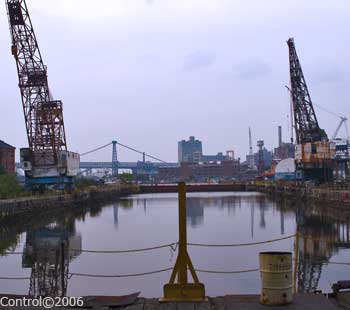
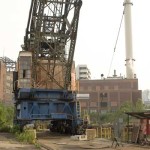
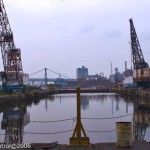
    This place is self explanatory. Here we have two abandoned dry dock cranes that are fixed onto super wide gauge Railroad tracks. A rare massive relic from NYC’s more industrial age. Surprisingly these cranes still exist today.

  • The abandoned LIRR Bogies

    The abandoned LIRR Bogies


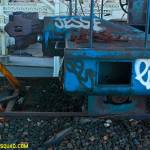
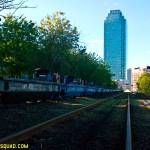
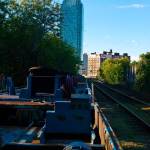
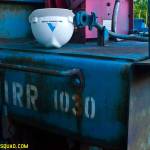
    Just what on earth were the “LIRR Bogies” and why on did they sit abandoned in Long Island City for nearly twenty years? The answer will confound you!

    Way back in the day (ok, pre 1997), the LIRR didn’t just run passenger trains. They had a freight division that handled all of the rail freight traffic on Long Island. Traffic had dwindled over the decades, and in the early 90’s the MTA (LIRR’s owners) were looking at means to either make it more profitable or to sell it off or close it down.

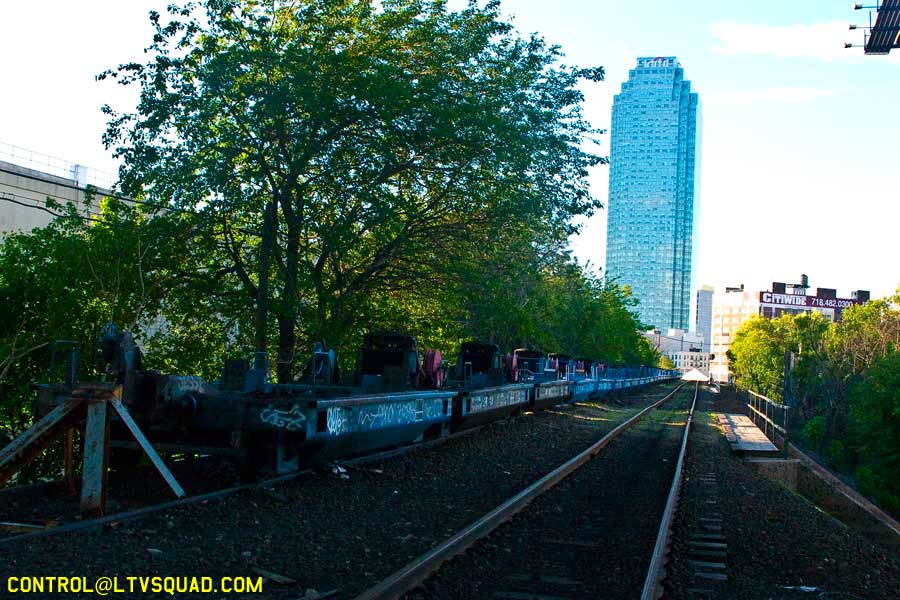
    One attempted they made at making the freight business more profitable was to buy up a bunch of these obscure ‘bogie’ cars. These cars aren’t even train cars – they are little wells whereby a truck trailer can be placed in one with the trailer acting as the body of the rail car, connecting to another bogie at the other end. The LIRR did this because traditional ‘intermodal’ cars are all too tall to fit under the overpasses and bridges of Long Island. With the bogies, the trailers lay lower and could easily pass.

    In any case, a few customers tried out the LIRR bogie concept, but in the end it didn’t last all that long, and the service was abandoned. The bogies were problematic and prone to derailment, while competing with truckers simply driving the trailers from NJ to Long Island proved impossible at the time.

    A few years later, LIRR leased out the freight operations to the NY&A, who thus far has no use or desire to use these bogie cars. Thus they sit in a siding in LIC, rusting in the afternoon sun. While they’re not that interesting to photograph, their story is odd and compelling enough to warrant a post. At a time when freight traffic on Long Island was dwindling, the LIRR at least attempted to innovate and compete. They constitute just one more abandoned railroad relic to be found around NYC.

    Ready to see more Dead Trains?

    Check out my Abandoned Trains book series, which goes in depth on dozens of abandoned trains spread across the United States.

    Abandoned Trains Volume 1
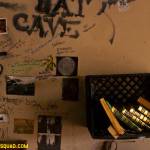
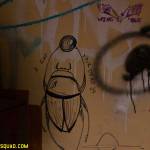
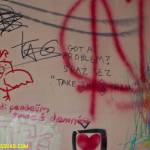
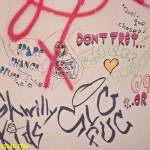
  • The Gowanus Bat Cave Graffiti Gallery & Squat

    The Gowanus Bat Cave Graffiti Gallery & Squat


    (Writeup from spring, 2013 – Photos and original publication date: 5/25/2006, updated 2018)
    The Gowanus Bat Cave powerplant represents one of few long abandoned locations in NYC that (as of 2018) has not been demolished.

    Adventure
    In the mid 2000s, a decent portion of my explorations were fueled by a heavy desire to get away from the psychotic women who were desperately trying to cling to me like rats to a life raft as their broken lives went underwater. (Pro tip: never try to save someone drowning from the stupidity of their own bad decisions – they will only drag you down. No good deed ever goes unpunished.)

    The first night I went to the bat cave, it was one of those turn off the phone and get away from these demented bitches nights. I was hitting up subway spots around Carroll gardens and figured that a little late night solo rooftopping might be in order as well.

    Upon arrival, I found easy parking and a simple entrance to he property. Just hop off the bridge, walk along the shire down a desolate trash filled path, follow that path up to and over a wall – and boom. Your behind the powerhouse.

    The amount of debris back here was a little surprising for 2005 standards. The blown out trucks and caddy by the door just made this place all the more inviting. One of the rear roll down gates was wide open. Inside, a dark abyss.

    I enter, using my weak ass flashlight batteries were nearly dead from hours of subway tunneling. I went into the pitch black and turned it off. Best to save some power. And also listen. Much like in a subway tunnel your ears can tell you much more than your eyes in the darkness. What I heard disturbed me.

    Often the sound of water dripping can be perceived as voices. Anyone who’s been in a subway tunnel is familiar with this affect. So naturally, when I heard voices in the distance I assumed it was just water dripping. Still, it put me on low-level alert. I crept forward – and as I went, I’d keep hearing something distinctly less water drip and more voice-like. Who’s in here?

    Hello??

    I say this out loud and am greeted by a response of nothing.

    Creeping in I went. This slow crawl ended when I heard sudden screams, from high above.

    I didn’t bother to light up my flashlight. I merely backed out. One creepy step at a time. That’s not water dripping. It’s someone actually screaming as if they’re being murdered.

    This slow crawl ended when I heard sudden screams, from high above.

    The screams ended sharply before I got to the door. I couldn’t decide if it was some seriously aggressive sex going down or something more sinister.

    I waited around behind the Gowanus Bat Cave in a strategic position. Armed only with my 4 d cell mag light. No one came or went. No more signs of life or death.

    I left. I briefly considered a call to the police but it was a Saturday night, in Brooklyn. Even if something evil was brewing it would be hard to convince officers to enter this place, and I would be putting my neck at risk for an obvious trespass charge. The old New Yorker mindset of ‘don’t get involved’ kicked in, and away I drove. Fuck it. Not my problem. Having seen endless muggings and fights growing up in 70s and 80s NYC, and with these psychotic women trying to be in my life, I learned you definitely can’t save everyone. Darwin’s name persists for a reason.

    A week later I went back with Cassandra.

    Going back to such a place with a woman might seem counterintuitive but Cass is hardcore, and it was daylight. Plus I was better armed to boot. I could have mustered a whole crew but we were in the neighborhood, so fuck it.

    Before we got off the bridge we saw crusty punk squatters coming down the path. We waited for them on the bridge and made small talk to gather intel. As a veteran of the 1990s lower east side squatter wars, crusty punks are my kind of people.

    You can find a lot of write ups online that describe the people who live in and seek out locations such as this one as ‘ dark’ ‘lonely’ and depraved. These are words written by clueless reporters and bloggers trying to romanticize something ‘different’. These are not unfortunate souls. Nothing could be further than the truth. Squatters usually choose their lifestyle, rejecting the normal rules of society. Usually they are extremely young, though all are free of the workaholic grind that dominate American society in the early 21 century. Maybe some day we will become a society that tolerates and encourages seekers to thrive – a society where knowledge and living are valued more than conformity and money. Until then, there will always be buildings such as this one where those who choose can make a nest for the night.

    Entering the building, I’m surprised by all of the natural light filtering through the graffitied and broken out windows. Stairs upward are immediately available to the left, so we take them.

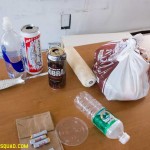
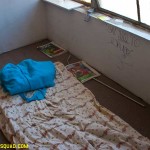
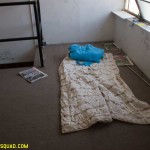
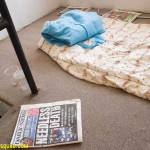
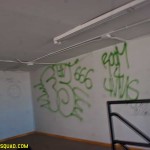
    On the second floor we encounter our next squatter. I totally forget his name. He greeted us, asked us what we’re up to and again implored is not to post any details about the place online. I didn’t. I threw up some internal photos later on under a post titles ‘Go squat’ – knowing a few explorers around town would figure it out but not the mass public or press.

    Unlike many bloggers out there, I know when to keep my mouth shut, and the cost that loose lips have on ships. It is why we never posted the name of this place (until now, 2013 – nearly 10 years after exploring this building – well after the squatters were kicked out).

    We also didn’t do huge roller tags off the roof which would have invited attention. We certainly could have, but blowing up someone else’s spot and home just isn’t put bag. And yes, that is a dig at some of the street art people who used the roof of this building as a canvas for their own self-important promotion.

    Christ. Who do we look like? Clueless location scouts?

    Anyway, the further up into the building we went, the more squatters we met. At the top floor were the remains of a giant ballroom. The yellow walls long battered by decay and covered in layers of graffiti.

    When we finally popped onto the roof to chill out for awhile, another squatter came up to lecture us not to post it online. Christ. Who do we look like? Clueless location scouts?

    Eventually we made our way out. I came back here several times over the years. Towards the end you had to break in via climbing up the side of the building, and into either a fire escape door or window.

    Today, some rich hipster guy owns the Gowanus Bat Cave and is apparently bent on doing something interesting with it. After 2 decades of extreme neglect, we will see if this latest owner puts his money where his mouth is.

    History
    The Gowanus Bat Cave was originally known as the ‘Central Power Station of the Brooklyn Rapid Transit co”. As the name implies, the main purpose for this station was to power the trolleys and elevated subways of the BRT (which was later absorbed into the BMT, and today’s NYC MTA). It was a coal fired power plant, fueled by coal barges brought up the Gowanus Canal. Built around 1896, it ceased operations in 1974.

    Some say that it was given to the Jewish Press in 1969 by Mayor Lindsay to buy votes. It was a Jewish entertainment center during the 1970’s and abandoned by the 1990’s. It became a squatter settlement for drug addicts, which earned it it’s local nickname as the Bat Cave.

    Today (2018), the Gowanus Bat Cave is undergoing some kind of transformation. Scaffolding has been erected around the building, and the roof appears to have been removed. What will the future hold for this structure? Will it soon be gone or remain one of the rare architectural relics highlighting NYC’s industrial past?
  • LIRR Drawbridges in L.I.C.

    LIRR Drawbridges in L.I.C.

    DR-1030
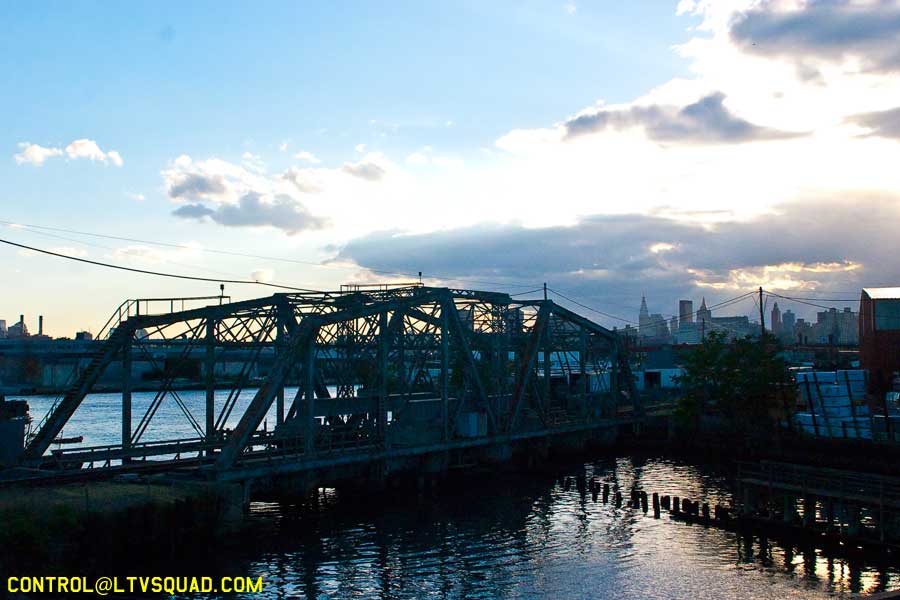
    Sometimes people are surprised to learn that there are two railroad drawbridges in L.I.C. The LIRR Drawbridges are hidden in plain sight. DB and M drawbridges are located right next to each other just off Newtown Creek in LIC. Both were built for 2 track operations, and both only have a single stretch of track in use today. The similarities end there.
    (more…)

  • Greenpoint Terminal Warehouses – Post-fire sunset.

    Greenpoint Terminal Warehouses – Post-fire sunset.

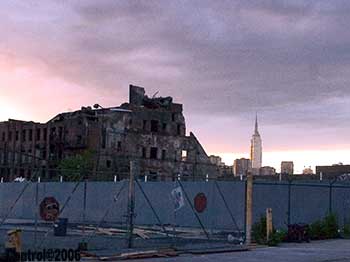
    2 weeks later I got down to the hood again to get some nice shots just as the sun set. The most remarkable thing I found was how the now entirely collapsed/destroyed buildings opened up a startlingly good view of the Empire State Building.