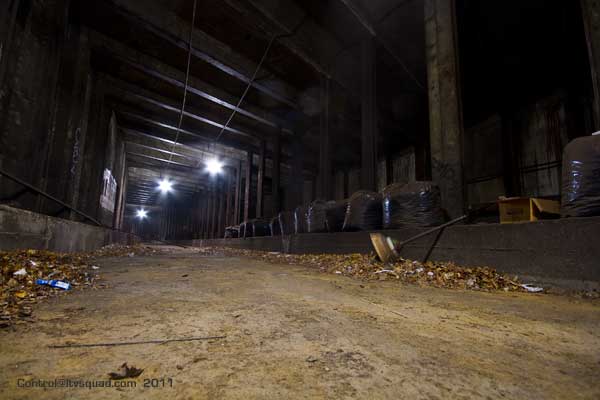
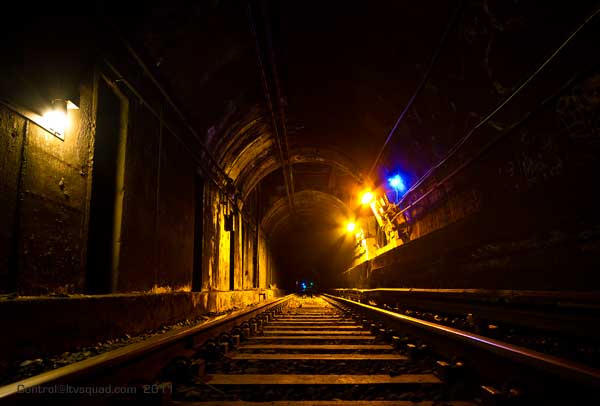
The winfield is one of the largest stretches of ‘abandoned’ tunnel within the NYC subway system today, in a legion with the Harlem section of the Second Ave Subway, and The Suicide Tunnel. What sets the winfield apart though is that it was completed with a rare station shell that was tiled and prepped for use (all other station shells of this variety were never tiled or completed to full size – Think Underbelly). The only thing missing from this station and tunnel is a set of tracks and a destination for those tracks. The subway line is meant to serve was never actually built – leading the tunnel to an unceremonious dead end. Much of the station area today has been completely rebuilt to accommodate offices and crew locker rooms. The remaining section of the platform is now ‘scunts lair’, a dark place piled with miscellaneous electronic junk.
Category: Subway-Exploration
Subway exploring posts only.
-
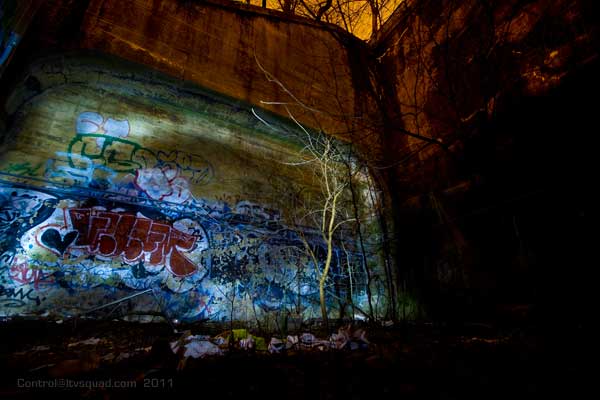
Mystery Tunnel Recon
During an all night subway tunnel exploring spree we came up for air where one tunnel ducks into another. Parallel to this tunnel is a curiousity I’ve always wondered about: Why is the right of way wide enough for 5 tracks when there are only 2 in use?
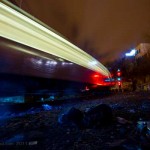
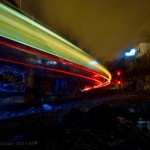
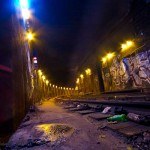
Was there a second tunnel at this location that has been sealed up for decades?
The puzzling evidence suggests there may indeed have been one, though the stark reality is that if it exists, it’s sealed up tight.
-
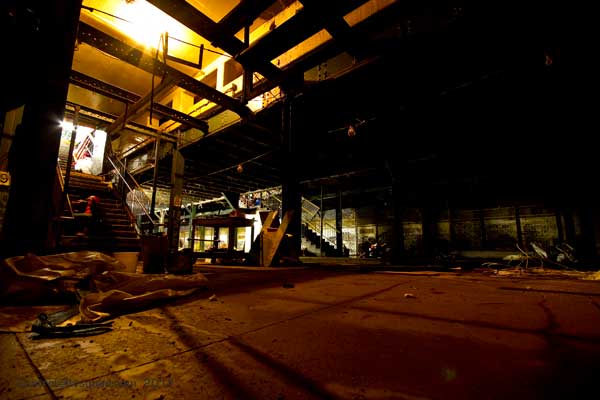
9th Ave Lower
9th Ave’s Lower Level is a location festering with filth and decay. Situated at the edge of the MTA’s largest staging yards for work trains, this station has been abandoned for almost as many years as I’ve been alive. It last saw use as the terminal for the old culver shuttle, though it also hosted freight trains – making it significantly more rarified than your average abandoned NYC subway station.
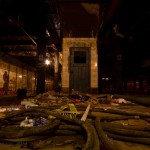
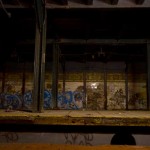
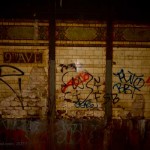
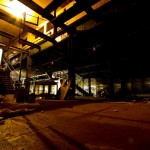
Today it sits as it has since being closed: dark, dirty, and worm out from lack of care. Work trains pass through and lay up at this station all the time, though no one has stopped to maintain it in years.
-
Brooklyn Zoo, Terrify
I came here to rectify





BROOKLYN ZOO, terrify
-Old Dirty BastardLong on the to-do list, inspecting this deep tunnel vent shaft eventually came due. If you’re looking for an awesome story of sneaking into this place covertly, you’re shit out of luck. If you’re looking for dramatic endings, well then keep on reading there, chesty.
Walking right in and down along the cold hard tracks, we’re impressed by the darkness. Most subway tunnels have at least a few light bulbs. This one has nothing, for what seems like miles. It’s just you, your compadres, the darkness, and the sounds of dripping water pouring in the distance like a chorus of drunken bickering kardashians spreading their legs and rubbing their clits.
What, too much? Please. This is a humid dark wet tunnel, so sexual commentary isn’t just for fun – it’s downright required. Besides, a train could roll up on your ass in seconds down here, flashing your life before your mere mortal eyes.
We arrive at the vent, which is not a place for mere mortals. Indeed, it’s been rather well secured over the years, so you better be a god of escape after entering. There’s no way not to set off the motion sensor at the top of the stairs here, and even if you do, there’s like 3 more on the way up. Every landing has another fucking motion sensor, and did I mention this is a deep, deep tunnel? You may as well just dial up the subway operations center on one of the phones in the tunnel below and tell them you’re doing bad things – because within seconds, they know.
And you, if you’re smart, you know. You know all these sensors must mean there’s something around here that they’re positively obsessed about keeping people like you from getting to see. So you run though the stairs, peering into nooks as you go, and stepping carefully and nerve-rackingly over the dilapidated, collapse-tastic see through catwalks which are perfect for blowing large gusts of wind upward as trains rip buy below at upwards of 60mph.
Click Click Click. Flash Flash Flash. There’s no available light here. You don’t come here to take artsy photos. You do however come here to take photos of art – which it seems is exactly what they don’t want you to get to see. This place has a lot of it – left over relics from when this vent shaft was a hangout spot for anyone with the brass balls to come down here. The best stuff is now behind a fence, that is strangely well mended, and running from floor to ceiling no less. Talk about obessive security.
Eye on your watch, we know it’s time to go – because there is no time to be down here anymore. Up still more stairs, popping another two sensors as we go. The hatch to the street swings open into the rainy summer sky. On the corner, not 50 feet away, waiting at the traffic light in plain view is an MTA workbum truck.
You stare towards it baffled. Of all the fucking luck… there’s no way they could have gotten here that fast.
And no, they didn’t. A split second later the light changes, and they’re on their way, strangely not having noticed people coming out of the hatch right-fucking-there.
Luck has been pushed far further that on your average night of tunneling already, so we disappear in separate directions into the darkness.
-
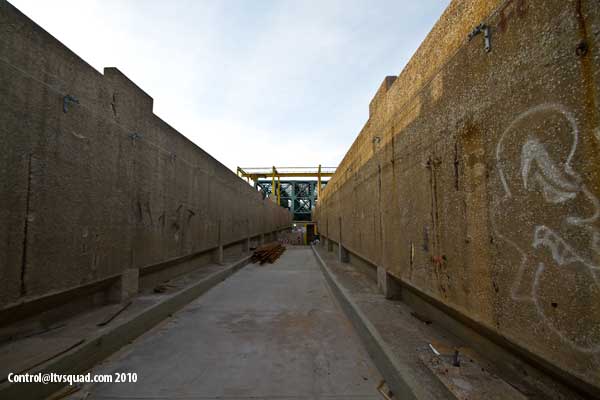
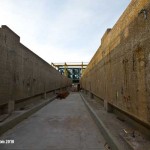
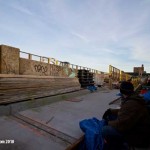
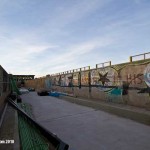
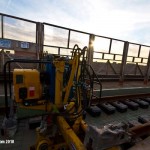
Highest Lowpoint
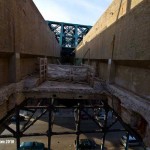
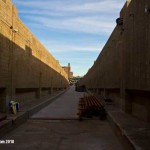
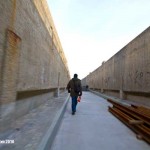
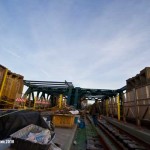
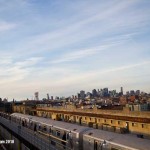
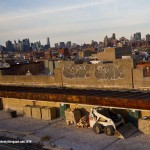
At the highest point in the system lays this lowest layup track, dipping below all others and dead ending. The logic behind this strange structure has long been lost, and the track here was both little used and recently removed during the current viaduct rehabilitation project.

-
MTA Snow Subway Service, Explained.
For anyone that might not understand why some subway lines run in the snow, while others do not, consistently year after year, here’s a mini guide with explanations that the MTA never seems to want to admit to.
Let’s take this Line by Line with 4 samplings of major routes.
The A Train:

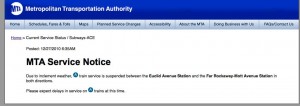
The A of course is not running south of Euclid Ave, with the already famous horror story of the one train that was stuck in the snow all night.
Explanation: The A line is above ground after Euclid Ave – first on an elevated line then on the surface (old LIRR Rockaway branch) out over Jamaica bay. Any subway line running on flat on the ground in a blizzard will soon shut down. The third rail will be buried. No power, no trains. On the Rockaway side, the subway line is elevated again- though it is not a traditional elevated subway line. It’s a solid viaduct where snow can accumulate and bury the third rail – unlike the other elevated lines in the system where the tracks sit on beams and the snow falls through.The 4.5.6 Lines:

Explanation: The 4 and 6 lines only run either in tunnels (where no large amount of snow can get in) or elevated lines, where the snow simply falls between the tracks to the streets below and rarely gets a chance to cover the third rail.The 5 though, runs on the surface (along the route of the old NYW&B RR) in the northern Bronx, and thus will always be shut down in a major snow storm. Third rail buried, no power, no trains. Done.
The BDFM:

Explanation: The D runs in a cut below street level around the 9th ave station in Brooklyn, thus it’s no surprise that this line is prone to getting shut down. The B (and the Q) run through the ‘brighton beach’ line in Brooklyn, which is also a ‘cut’ below the streets, yet open to the air and elements. It’s the perfect ditch to get snowed in. It doesn’t take much for the snow to go over the 3rd rail here.The M line near fresh pond is on the surface, and thus prone to 3rd rail burial. You’ll note service ended where the elevated line begins.
As for the F, the viaduct around Smith / 9 is solid, much like the A line in Rockaway. Without holes for the snow to fall through, burial happens.
And lastly, the N and Q lines:

Explanation: Both of these lines run in ‘cuts’ in Brooklyn. Ditches where snow gathers fast. Both lines always shut down in the snow. On the Queens end, they’re on an el, and through Manhattan in tunnels. The R rarely shuts down in the snow, because it’s in a tunnel the entire length of it’s run. Same goes for the E and a few other lines.Variety of subway line types
By now you might wonder, why the hell were some subway lines built in ‘cuts’, others on elevated lines, and still others in tunnels and flat on the surface. The reason of course is hinted at above- all of these lines were build by different companies, none of which I’d imagine gave much thought to how nature might effect day to day operations of each.As you can gather from the above. There should never be any surprise what subway lines will shut down in the snow. When you look at the physical characteristics of where each subway runs, it’s pretty obvious what to expect.
Of course, what has made the 2010 storm worse is the fact that it happened right after a holiday when most people were off, and even if they wanted to, a lot of workers couldn’t even make it in to clean up the mess. But that’s fodder for some other blog post..
-
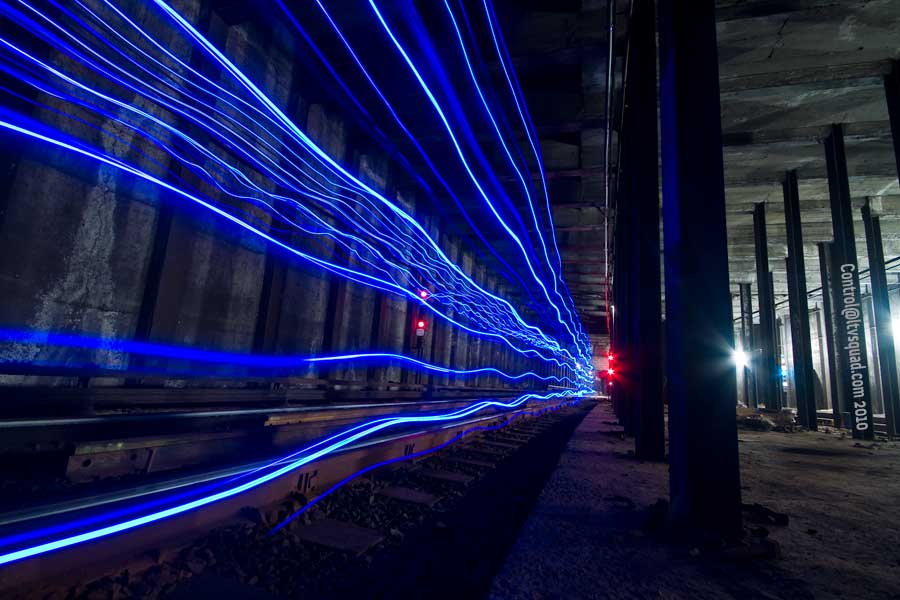
The Blue Bolt Express
Here is the perfect home for those perpetually perturbed by life in New York Above.
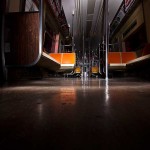
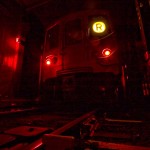

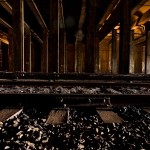
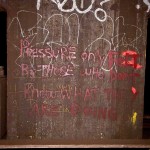
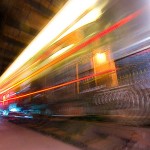
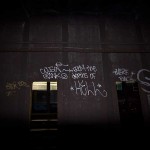
Here is where in your darkest hours, the writing on the wall can show you the way.
Here is where boys become men, and where the scared either die a grim death or get over themselves.
Here is heat, hot in the winter and sweltering in the summer.
Here is simplicity: You follow the rules, because death is the only other option.
Here there is only one rule: Survival. Beyond that there are no laws, no heros, no one coming to save you from your demons.
Here is ritual, here is religion. And here the proverbs need not be spoken.
Here is the gateway to Creation. Reinvention. Solitude. Soul building hours alone in the darkness left with nothing but your brain, a camera and a memory card… and the grim reality that yes, sooner or later one of the above will run out…
-
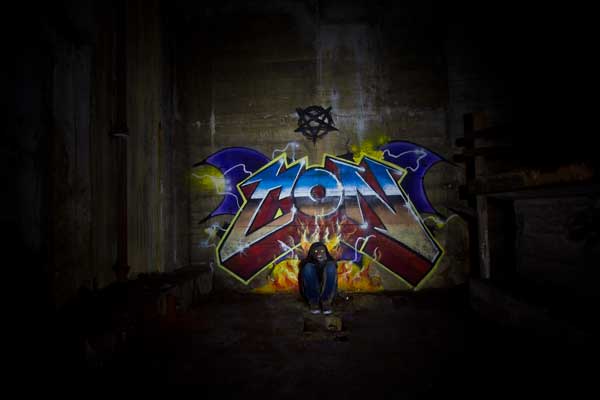
The Underbelly Project


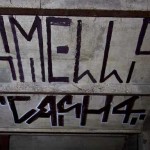




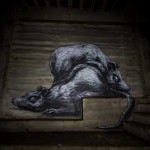




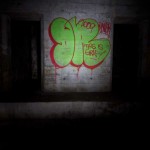

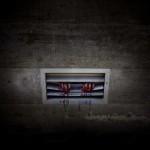
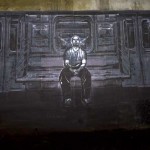
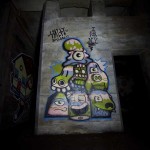
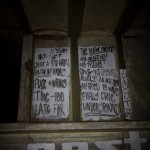

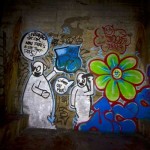

Located in an abandoned section of NYC subway tunnel, the Underbelly project was a major art production with over 100 artists involved. Here is a rare glimpse into this gallery of grand art. -
How to escape from a subway tunnel.
Hypothetical situation: You’re on the train going to work. There is a loud bang. The train stops in the middle of the tunnel. There are no announcements and there is suddenly smoke in the air. There’s no MTA personnel in sight, because they’ve been incapacitated. How do you escape?
Sadly, how to escape from a subway tunnel is information that few citzens in NYC know or understand. No one outside of MTA personnel and *maybe* first responders know the basics of safety within the tunnels of the subway system. With millions of riders a day, and the average real response time to any emergency 10-15 minutes (see this post for further info) – it’s imperative that anyone commuting via the NYC subway system understands how to survive and escape the tunnels. Subways are a prime terrorism target. Even before 9/11 we had our own wackos to deal with.
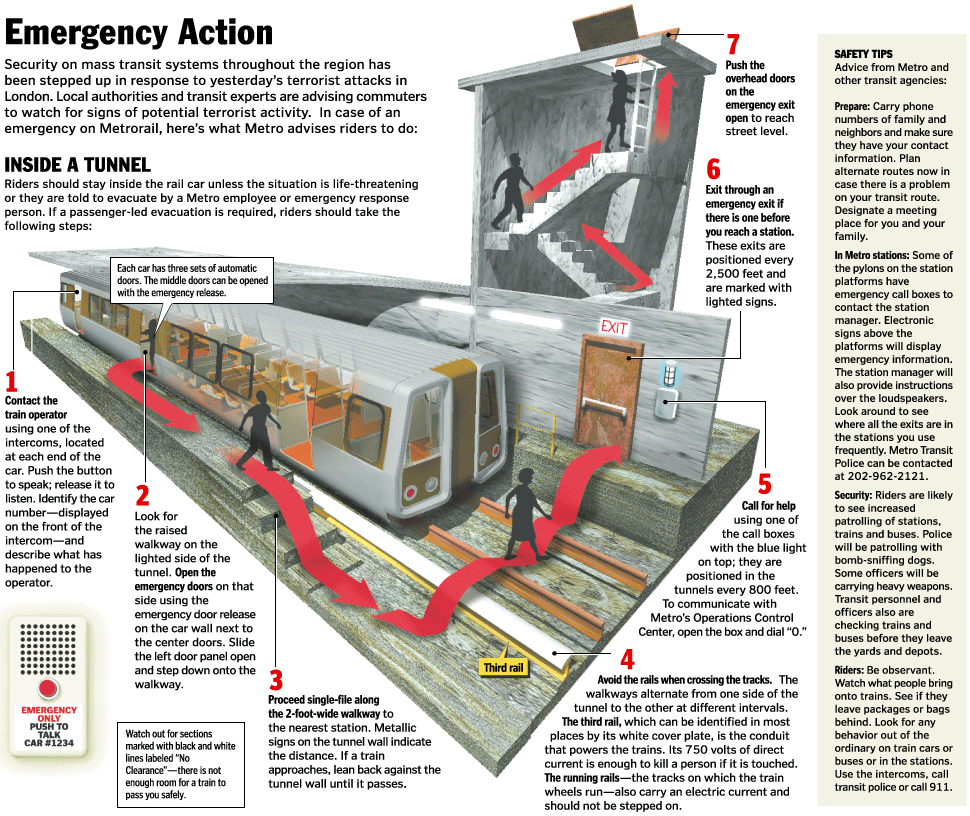
 (click for larger view)
Fortunately for us, Avid LTVer SR notes that the Washington DC subway system doesn’t have the same hang ups that the NYC MTA concerning providing its riders all the information they need to escape from a subway tunnel in cases of extreme emergency. This diagram to the left is most helpful – showing how to exit the train and make your way out of the nearest exit. Everything you see in this diagram can also be applied to the NYC subway system.
The most deadly things you’ll find in an NYC subway tunnel is the third rail and moving trains. Never walk on the tracks when it can be avoided – and expect a train to come in any direction on any track at any time. There is generally a ledge on the side of the tunnel that is a clear safe path for walking on. Find one of the many short ladders and climb onto it.
To do this you might have to step over a third rail. The third rail is the large honking one right next to the 2 tracks you’d expect to see. The powered portion of the rail is on the bottom – the top is a safety cover. Step wide over the entire rail.
You will have to find the nearest exit. Often the closest exit to the street is the nearest station. Stations are easy to find, as they are very brightly lit. Emergency exits are generally located halfway between each station (though there are tunnels without ‘EE’s or ‘hatches’ as we call them – hell, there’s an entire flickr group dedicated to being down the hatch).
Emergency Exits are generally found along the bench wall and are marked with yellow paint and a red ‘Emergency Exit’ sign. Take a mental note of any number on the bottom of this sign.

Once you arrive at the exit, follow the signs up the stairs until you come to a set of steps that dead end at an iron plate. You are just below the sidewalk now. In the middle of this place there will be an iron bar going across it. Push hard on the bar and it will swing open.

These exits are very rarely used, so it may be hard to get it to pop open. You may need two people pushing the bar or to squeeze under it with your back to the bar and push up with your legs. Once the hatch is open a little it will swing the rest of the way, as it does contain counterweights which will help it open once set into motion. Exiting the hatch will place you on the sidewalk, usually near an intersection. In an actual emergency involving other passengers it’d be wise to dial 911 to direct responders to this intersection so they can aid anyone having trouble navigating the tunnels/stairs/ladders up to the street.
All exits are alarmed with a silent trigger on the hatch as well as motion sensors which will set off some bells and whistles down at MTA headquarters – don’t rely on that though to get their attention – once you’re on the surface, make that 911 call. If you don’t know / can’t find the street name and number you’re now on, tell the operating the number of the emergency exit you just came out of – as the MTA will know where those are and we can only hope that local first responders also know (and if they don’t, at least they can be directed there by someone at the MTA, one should hope). If all else fails, block traffic, yell, ring doorbells, etc – cause a scene. You never know who’s around that could be very helpful in getting people out. During those first few moments after an incident occurs, chances are very likely you’ll have to rely on your own wits and those of others around you to get out and help others out where you can.
So that’s it for lesson one in tunnel survival. We’ll get more in depth on certain aspects of this later on. For now though it is really imperative for your own safety to understand these basics. Feel free to post questions under the comments, and we’ll address those next time.
-
Abandon The G-Make it into a Bike Lane
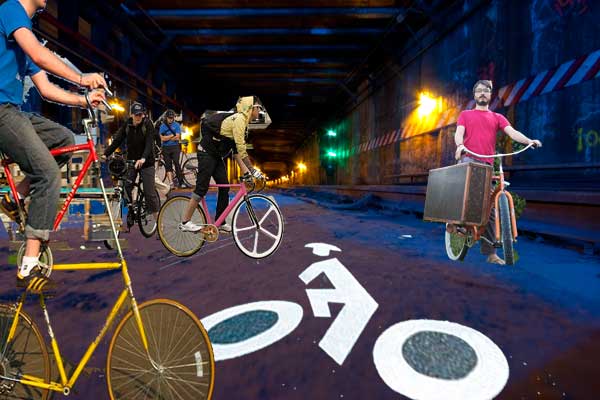
Epic Photoshop work by Sir McVeigh LanceThere is no hope for the G train. NYC’s lonely ‘crosstown local’ has been the subject of MTA neglect for decades. Originally planned as a feeder connecting various large trunk lines heading into Manhattan, 2 of which were never built (despite provisions for them having been constructed) – The G gets no respect. There’s an entire blog dedicated to trying to save it. Well I for one give up. To Hell with the G!
The G is *supposed* to run from Church Ave in Brooklyn to 71st Ave in Queens. This never happens. The train routinely terminates at Courthouse Square. Why it still appears on any MTA schedules as running through Queens is beyond me.
It is also *supposed* to run every 6-8 minutes during rush hour. This NEVER happens, either. In reality it runs every 24 minutes, with a train running 6 minutes behind that one to maybe clear up the huge crowd that couldn’t fit in the first train.
It is also the only non-shuttle subway line to run in NYC with just 4 cars. 3, assuming one of the now ancient R46 cars has a problem causing it to be locked up and out of service. The excuse was always that there were never enough subway cars to run full length trains on this line – yet in the last few years the MTA has sank hundreds of subway cars to the bottom of the ocean for artificial reefs instead of – you know, maybe fixing a few up to run normal length trains on the G. The present day operation of 4 cars trains are often not enough to contain all the passengers who kid themselves into thinking that they might actually get to work on time trying to utilize this twisted joke of a train.
It’s time to put the joke to an end.
As everyone knows, The G has been shut down the last few weekends. I wouldn’t be surprised if this is an MTA experiment to see if they can get away with shutting the entire line down permanently.
Then the MTA can wash its hands of ever having to maintain what is left of the G line’s stations and tunnels – both of which are crumbling. They could rip out the tracks and signals – creating a huge inventory of both for their other subway lines – and hand over ownership to the NYC DOT – where I can assure you Commissioner Khan is already wetting herself at the prospect of converting the length of the line into one huge bicycle highway.
Think about it – Instead of actual service improvements to make the G a line worth commuting on, they have instead given Brooklyn nothing but bike lanes. Who needs to spend money running a decent subway line when you can shut the whole thing down (or have it perform so shoddily that it may as well not run at all) and instead throw up a few bike lanes?
It’s high time for the MTA and NYC Government to either pull the plug already or invest some real cash and create reliable service on this subway line.
2016 Update: Since this sarcastic piece was written, G trains have been slightly lengthened, and the route has been modified to permanently end at Court Square (removing it from the queens blvd route), and lengthened to Church Ave in Brooklyn. Real Estate developers are now clamoring for the “BQX” streetcar, which will more or less mirror the G train route. Only it will be placed along the shore, and on the surface streets, where it will crawl even slower than the often shoddy G train. One must wonder though – will BQX be made to replace the G so the MTA can abandon this route that they have neglected for decades?


