Author: Control@ltvsquad.com

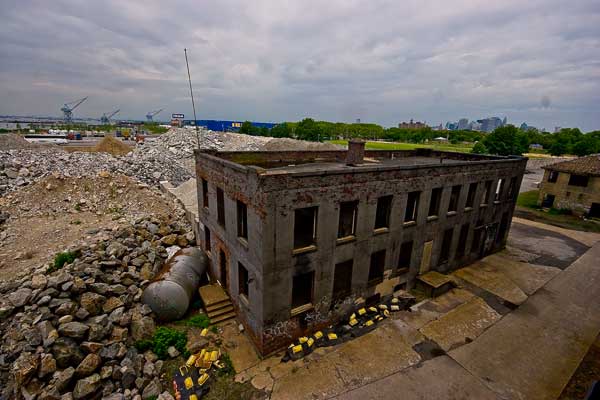
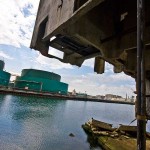
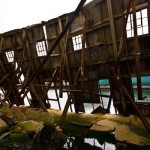
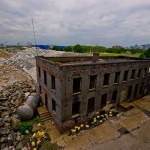
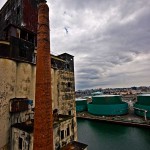
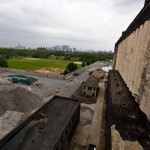
  • 2000-2010 Ten large industrial locations that are no more.

    The last decade has been very unkind to NYC’s industrial history. Many large abandoned buildings have been bulldozed, and others – which were still actively in use, have also been bulldozed in order to make way for high end condo buildings – which are of course in economic trouble now that the real estate bubble has burst. Here is my short Top 10 list of industrial locations within NYC that have been wiped from the earth in the last 10 years. The majority of these are only being revealed here by their real names for the first time.

    1. Schwartz Chemical / The LIRR power house –  LIC

    2. Pepsi / Standard Oil – LIC

    3. Greenpoint Terminal Warehouse – Greenpoint

    4. Brooklyn Navy Yard Power Plant – Williamsberg

    5. Washburn Wire Factory , Harlem Herion Shooting Gallery – Manhattan

    6. Waterside Power Plant, Manhattan

    7. Nelson Galvanizing, LIC

    8. DSNY Garage, WillyBerg

    9. Todd Shipyard, Red Hook

    10. Revere/Sucrose Sugar, Red Hook

    In the coming months keep an eye out for extensive historic write ups on all of the above locations as well as some of the hundreds of others that we have visited over the last 10 years. We’re not going to stop there though…  Keep your click hand free because you’re going to be coming back here for more… a lot more.

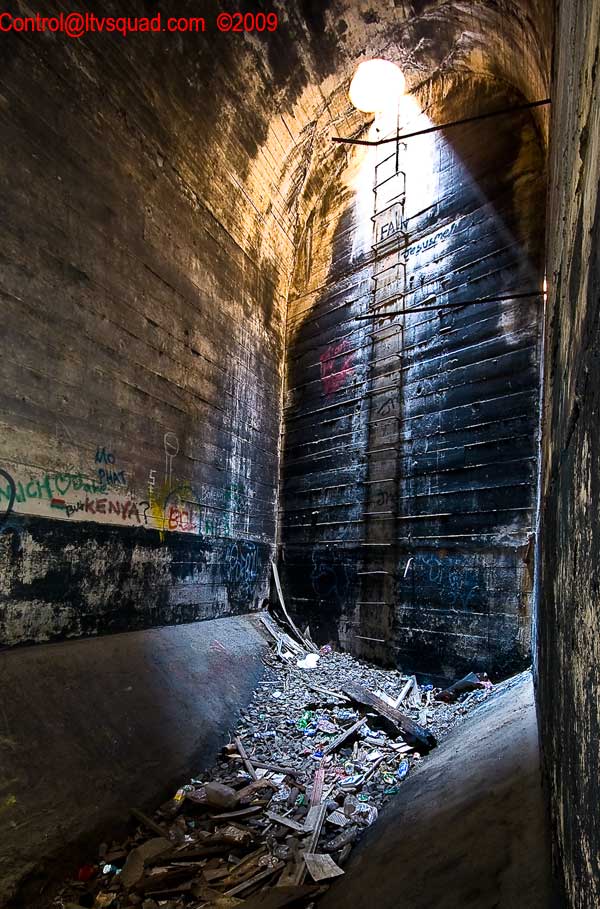
  • St. Mary’s Tunnel 2009 – it’s not a swamp, it’s a cesspool

    St. Mary’s Tunnel 2009 – it’s not a swamp, it’s a cesspool

    IMG_0999

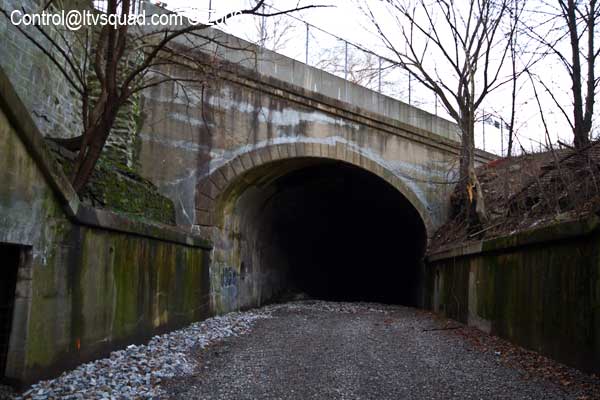
    It was time for a long overdue return to this abandoned rail line to properly cover what has turned out to be the city’s failed clean up effort of the abandoned Port Morris tracks in the Bronx (aka ‘The Bronx Swamp’).

    While the media seems content to throw the city administrators a lot of fluff pieces for cleaning up part of the line, we found that the tunnel under St. Marys Park is still full of water, and north of there – this former railroad right of way is still loaded with syringes, junkies and homeless camps.

    The photos tell the story.
    IMG_1011
    1905 – when the tunnel was built.

    IMG_0978
    Former rail siding

    IMG_0959
    Homeless camp at the northern end of St. Mary’s tunnel

    IMG_0952
    Looking back into the tunnel – filled with garbage and shitwater.

    IMG_0935
    Human Debris

    IMG_0936
    Camp Bedbug.

    IMG_0942
    Needles everywhere down here.
    North end of the tunnel.

    IMG_0946

  • Port Morris Branch: The so-called Bronx Swamp.

    Port Morris Branch: The so-called Bronx Swamp.

    We’ve seen some reporting as of late on ‘The Bronx Swamp’.  I’m not honestly sure who began calling this abandoned freight rail line by this name  but it is a very inaccurate one that doesn’t tell of the location’s true rich history. This section of track is much better known as the Port Morris branch, and it is not, nor has it ever been, a swamp.

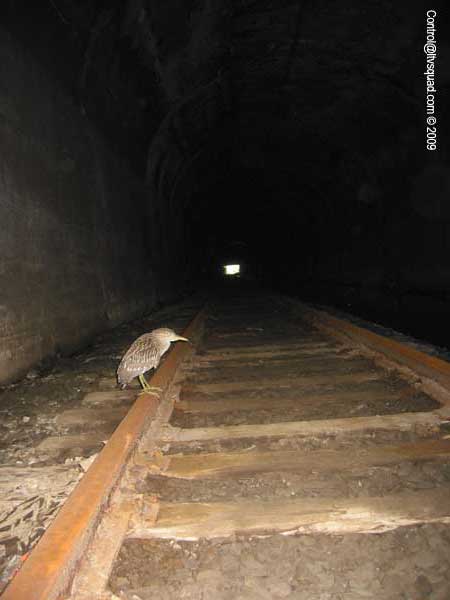
    While the newspapers, bloggers and authorities seem confused as to who owns property, I can tell you beyond a shadow of a doubt it was, at least up to 2003 owned by CSX transportation.  Somewhat unbelievably, it was an active railroad until 1998, and was only officially filed as abandoned with the STB in 2003 (published in the Federal Register V68 N52 March 18 2003). It has also been covered on this site many times over the last few years. A 2002 outing for example documented how the tunnel under St. Mary’s park was used as a home by at least one migratory bird (a yellow crowned heron – which makes it’s home in caves).

    2002:
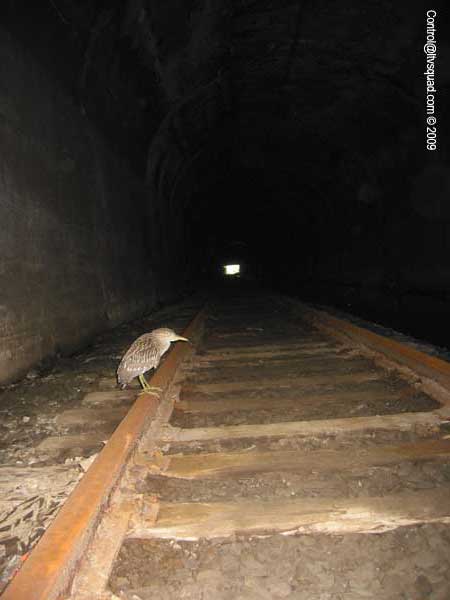
    Railroads are a tricky and very old business. Many rail lines are not owned by the railroads outright. They are owned by adjacent property owners who cede the land to the railroad only for use as a railroad. If the railroad decides to stop operating over that section of track, the property rights go back to the original owners. In the case of the Port Morris Branch, the tracks were build here in the 1840s. Since CSX filed for abandonment, it’s anyone’s guess who the owner is today. The NYC’ government’s attempt to get paid for the clean up work will likely at the least take years of litigation before coming to a resolution.

    It should be noted here that the Port Morris would never have been abandoned if it wasn’t for two separate factors: The first being that the branch, with it’s tight curves and low tunnel under St. Mary’s park, was an obstacle for freight in NYC. The tight curves meant that longer freight cars could not be moved down the line, and the height of the tunnel restricted the taller intermodal cars from using these tracks. These higher and longer cars are a cash cow for railroads. The state was convinced (and rightfully so) that not being able to move these cars by rail  was adding trucks to the roads of NYC. Their solution was to build a 1.9 mile railroad branch known as ‘The Oak Point Link‘. This segment of track is build on a pontoon bridge along the shore of the South Bronx, over the Harlem river.  The link was also designed to eliminate the need for freight trains to run through Mott Haven Junction – a major junction where all commuter trains into Grand Central converge. For a freight train to get through the junction and onto the Port Morris branch, it had to cross all tracks, essentially blocking the entire junction – a recipe for an epic fail.

    On September 18, 1988, just such a disaster took place. The daily Selkirk->Oak Point freight left Selkirk with a few cars that were too tall to fit under the bridges along the tracks in the Bronx. When this train arrived in the Bronx is smashed into the River Ave overpass near Yankee Stadium. The derailed cars blocked all of the Metro North’s Hudson line tracks. The head end of the train was well into Mott Haven Junction and about to enter the Port Morris branch. This effectively prevented any trains from accessing Grand Central – and all of this just in time for rush hour. Thousands of commuters were completely screwed.

    After the accident Conrail (later CSX) began using the Oak Point Link that runs around the southern end of the Bronx – thus avoiding using the complex set of switches at Mott Haven Junction. This obliterated the need to operate the short Port Morris branch – which no longer had any local customers and the function of which was now significantly better served by the Oak Point Link.

    The Port Morris branch was a hated necessity for the railroads up until ‘the link’ opened. Rotting crossties, decades of trash, deranged homeless druggies on the tracks – all were horrible conditions to run a railway in.  Clean up efforts were apparently futile as neighbors and illegal dumpers used the tracks as their own toilet. This trash didn’t just magically appear here one day – it was ‘air mailed’ down onto the tracks by kids and neighbors who just plain did not care.  Conditions were so bad that the railroad had to mandate that all of their engines running through the Bronx be equipped with snow plows year round due to the debris often thrown onto the tracks here. CSX was all too happy to shut the line down, rip out the rails, and disavow themselves of ownership completely.

    2008:

    There were various reports during the last decade that the Port Morris would be sold to the MTA for potential reuse as a transit line connecting Co-Op city to Grand Central. My quick search can find no record of such a sale though. Funding for this project has never materialized, and the Melrose Metro North station has been expanded northward to block the connection to the old Port Morris branch to boot.

    There is no doubt that between acquiring half of Conrail and the line’s abandonment in 2003, that CSX was the owner of this property.  It was most likely the railroad that removed the rails (which can usually be reused or at least have a good scrap value) sometime between 2001 and 2003.

    Some are saying these tracks should also be opened as a park – calling it ‘the low line’ and suggesting that you can’t be charged with trespassing because no one owns it. The latter is false information. You can visit this line assuming no one has put up ‘no trespassing’ signs. Beyond that you’re taking a minor legal risk. Your chances of getting caught are about as low as Tiger Wood’s moral right about now, but if you are spotted by a cop you can and most likely will get a DAT (Desk Appearance Ticket – aka a date with the judge who can give you up to 15 days in jail). No police officer is going to listen to your argument that no one owns the property. Save that for the judge, or just take the fine or ACD that’ll be offered instead. That is, unless you want to piss off the judge and spend 15 days on Rikers.

    It would make an interesting park, though perhaps it’s best to just leave it as it is. We’ve seen the fiasco that the administration of the High Line has become and we are not pleased. Maybe if it’s just owned by the city and doesn’t involve any strange non-profits with their own agenda it make for an interesting park free of egos.

    I will be visiting this location soon for more up to date photos, but if you happen to get up there before me, feel free to email me some shots & I’ll link or post them here.

    (Thanks to Shane for helping me dig up some info on rail line abandonment)
  • WTC 9/11 Memorial Mock Up at the Navy Yard

    WTC 9/11 Memorial Mock Up at the Navy Yard

    IMG_0767

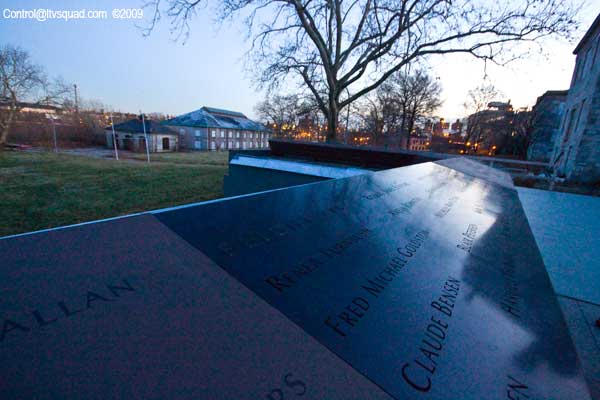
    During a day long return visit to the Brooklyn Navy Yard, we came across an oddly placed viewing stand erected on the side of a hill in the southwest corner of the property, which contains the boarded up old abandoned hospital buildings you can see driving by on the BQE. This viewing stand was completely out of place, thus it warranted a closer inspection.
    (more…)
  • Admirals Row

    Admirals Row

    There’s a relatively constant buzz about Admirals Row in NYC preservation circles. Instead of a write up on the history of this place I’m going to instead link you to the Wikipedia page and to a site by some of those trying to save theses structures.

  • Ascension

    Ascension

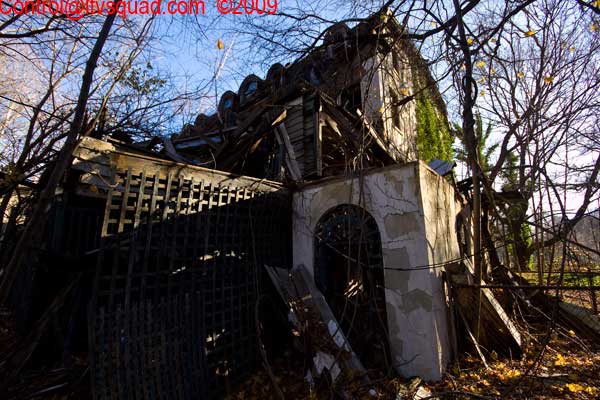
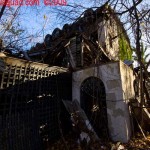
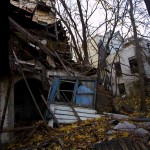
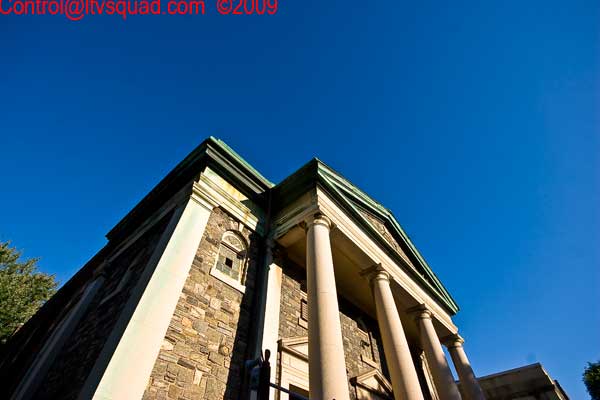
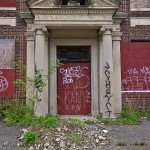
    History: Founded in the 1800s, this church building was built early in the 20th century. The first service held here was for the pastor, who died just as the building was completed. In the years that followed the church survived and then, as with all things, died a slow caustic death. Congregation slipped away, while the building fell into disrepair. Finally the last services were held, and the property sold…

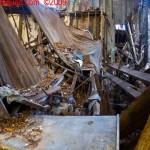
    Today: the buildings here have numbered days. The bulldozers will come. The sometimes historic rubbish left behind will be hauled off to the landfill. The pigeons will have to roost in some other rafters, and the feral cats of the neighborhood will have to hunt somewhere else. And these photos will provide a rare look, into what was, and soon will not be.

  • Abandoned Red Hook Grain Terminal, 2009 edition

    Abandoned Red Hook Grain Terminal, 2009 edition

    When some CHUMPS from Vice Magazine came calling, wanting an interview & look around the ole’ abandoned Red Hook Grain Terminal, I figured fuck it, why not. Maybe I can convince them to do a whole ‘Do’s and Don’t’ series on how not to be a fake ass unoriginal loser trying to steal other people’s concepts and make a name off it?

    Bah! Well, I didn’t bother to go there, but I will bother to go here, again and again for years to come, until they finally get rid of this ridiculous building and make it into condos once and for all.

  • Smutty Times

    Smutty Times

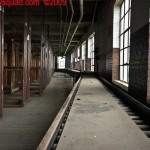
    This is a very old, somewhat historic place. You can smell it the instant you rip off the plywood and come inside this place like you wished you could do to your sister.

    That’s right motherfucker, it’s hot and forbidden in here.

    Everything smells like Wood.

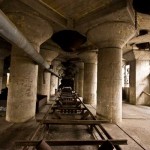
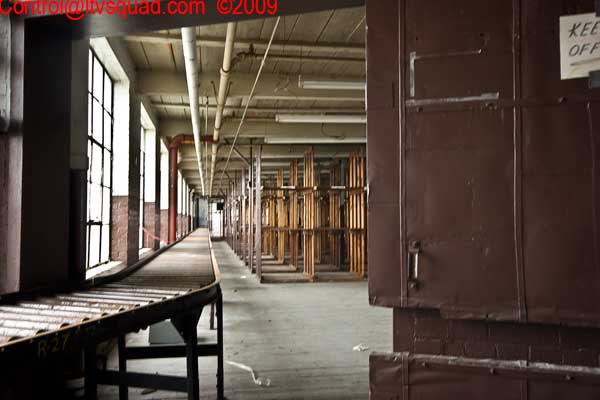
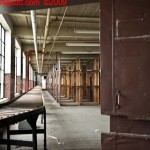
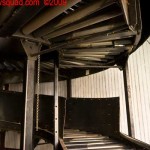
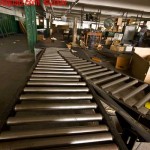
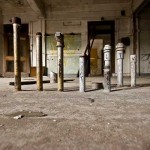
    Old machines full of pokey rods, conveyor belts running what seems like miles in every direction, gears that grind against gears… This is some serious industrial age porn right here.

    I could tell you all about the history of this place, but I’m not going to bother. Unlike a lot of people on the internet these days I actually know how to post something without giving away all of the information free.

    You want it?

    Well just like sex you better work for that shit motherfucker!

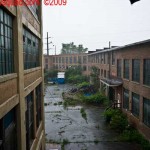
  • BTI 2009

    BTI 2009

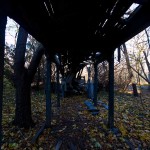
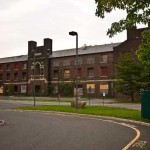
    Most abandoned buildings in urban areas have a limited shelf life. Up until the recent economic downturn the NYC area has lost dozens of abandoned locations to ‘developers’ who’ve taken these often toxic locations, cleaned then up somewhat, and thrown some cheaply built condos on them.

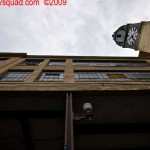
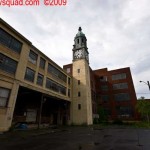
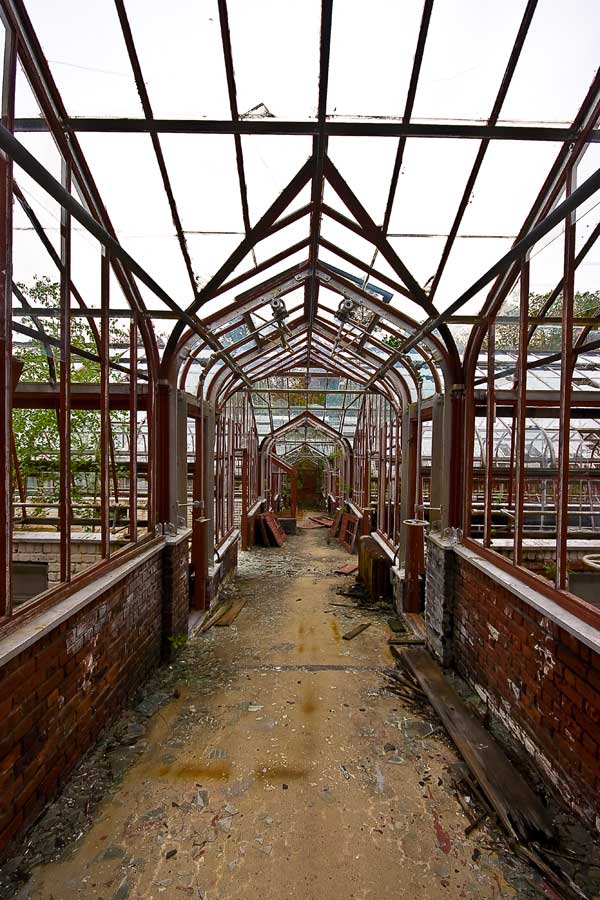
    Strangely though, this building still endures the test of time. It has gotten a lot moremroe beat up over the last ten years, but it still stands, attracting strange weirdos like the one I ran into behind the building when I was on my way out. This dude had a huge head and looked like the ‘Little bit of Luck’ NYS lottery character. I was tempted to ask him if Lady Luck was around, but I digress.

    For some perspective, here’s what this place looked like before:

    2001
    http://ltvsquad.com/Missions/Buildings/Bryce/index.php

    2005
    http://ltvsquad.com/Missions/Buildings/Bryce3/index.php

    Today, it’s a whole lot more tagged up. Rumors that it would be turned into a school have thus far proven false, so who knows what the future holds for this botanical abandoned bumpfest.

  • Dela Death Bridge

    Dela Death Bridge

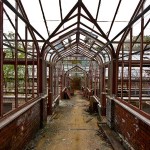
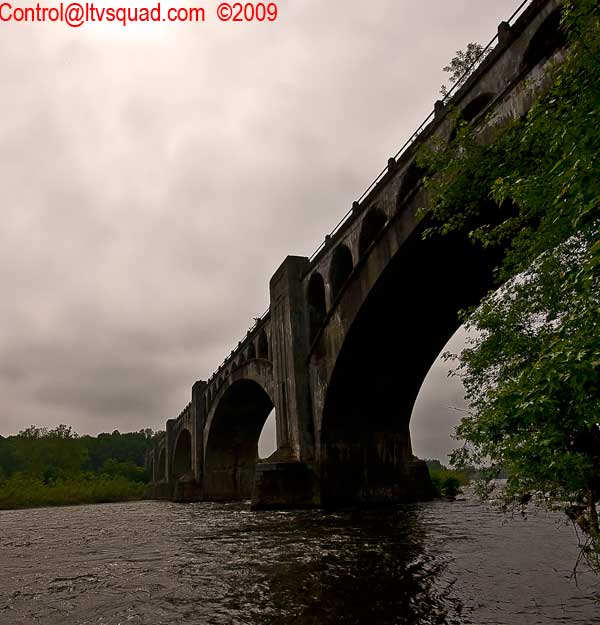
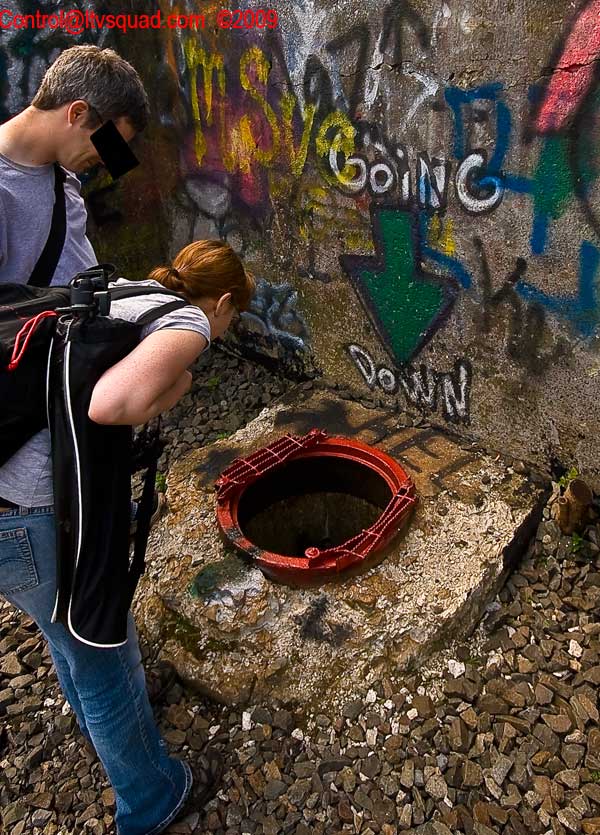
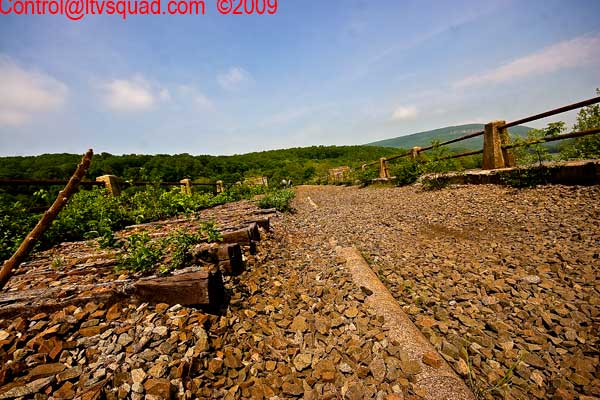
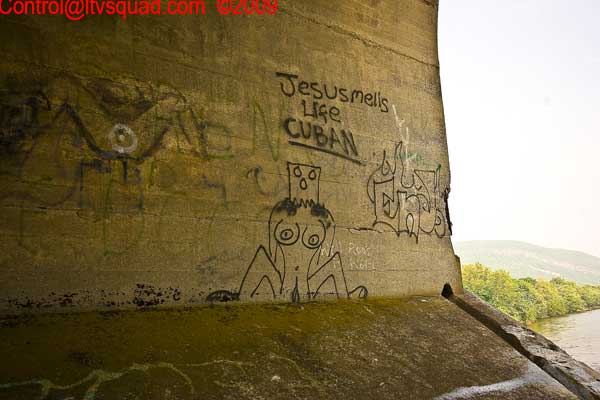
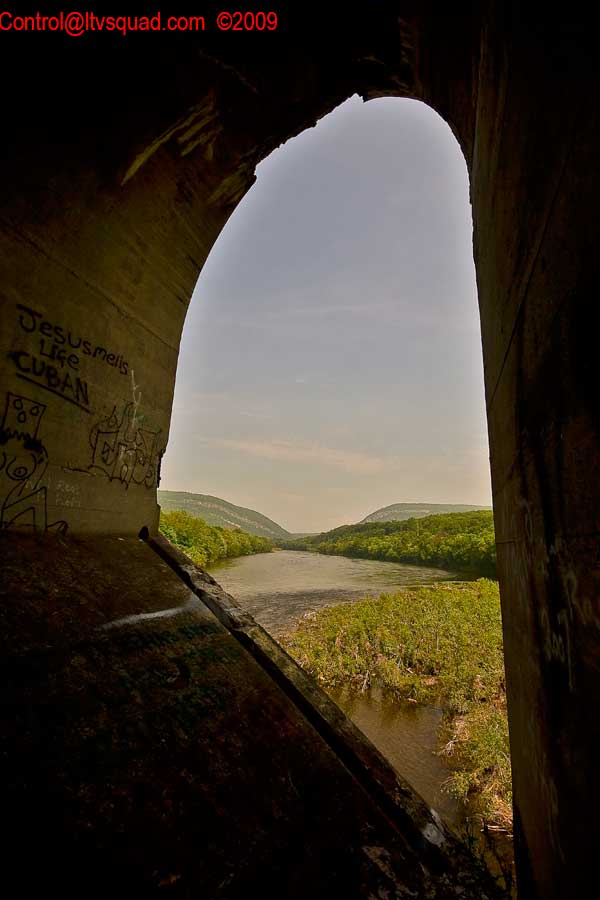
    This poured concrete bridge has sat abandoned for just over 20 years. It’s a fairly unique place to go for an exploring trip as there are ladders that lead you from the top of the bridge down inside, and then out onto the arches with span the rushing river below. The large quantity of sloppy graffiti here stands testament to the fact that this is definitely the local hangout for stoners and reprobates alike.

    Ironically, just now as I did some searching online to come up with something else to say about this bridge I learned that just a scant few days after our visit, an 18 year old who jumped into the river off a similar nearby bridge went missing. I can’t say this surprises me much, as I know of a number of people who come out here and bridge-jump into the deep parts of the river for summertime fun. Definitely not a good idea though if you’re not a good swimmer.