Category: Politics

  • Underbelly Arrest Roundup, Demands to Open it to Public

    Underbelly Arrest Roundup, Demands to Open it to Public

    Gothamist continues to cover the Underbelly story in depth. Today they have a roundup of stories from some of those who have been arrested. Our original estimate of a dozen or so people having been arrested has continued to trend upward, with sources stating that the tally at the moment is closer to 30.

    NY Times Art Beat has similar coverage, with quotes from the MTA stating they have no intent to paint the abandoned station shell.

    If the comments within the NY Times article are any indication, the public really wants to see this art installation. Some are clearly willing to risk arrest just to see it. Let me state this again: The MTA should throw some lights down there and open the space to the public. Charge a high admission fee. This is great, low cost potential revenue stream for the MTA. The only argument I’ve heard against this has been that it would cost too much to create a viable entrance that is safe to the public. This is simply not true. We have it from sources within the MTA that the station shell is accessible behind locked doors, and the only work that would be needed would be the installation of a temporary staircase (the structure of which is already in place).

    There is a huge market for this. 8 years ago, nearly on this exact date, a line stretching at least 5 blocks long formed as art lovers and tunnel foamers eagerly waited for chance to crawl down a manhole and view artwork from yours truly, Margaret Morton, Revs, Julia Solis, and many others. Barely 1/4th of the people on the line that day got to see the installation, and the one day only event was never repeated.

    There is a huge market for this type of art show. Each visitor paid $10 to enter – and that was to see a tunnel and works by perhaps a dozen artists. This station includes art from over 100 artists. A black tie opening with an entrance fee of $100 would sell out. The public at large would probably pay 15 to 20 a pop to see this project. The MTA is sitting on a gold mine. They should do what a real public authority would do: Open it to the public and make us some money!

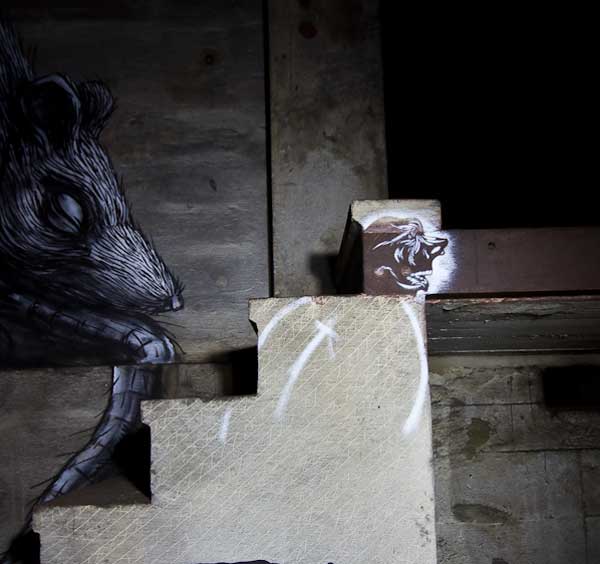
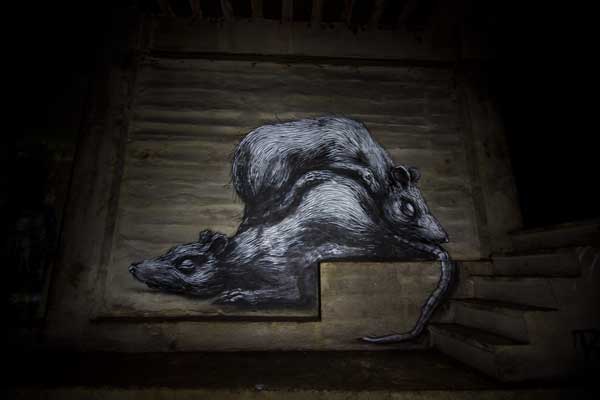
    In completely unrelated news, we now have a second batch of photos from underbelly available for your viewing pleasure. With I like about this batch are some of the small detail shots. It seems some artists put added touches in the tunnel space. Smaller and less obvious than the large works, these small bits give the space much more personality.
  • Response to Underbelly, from MTA and the public.

    Response to Underbelly, from MTA and the public.

    First, let’s look at what the MTA has to say about this situation – from the second ave subway saga blog

    MTA Response:

    I asked the authority about their official response to the so-called exhibition, and it was as you might expect. “NYC Transit is working with the NYPD in the investigation and follow-up on this matter,” MTA spokesman Aaron Donovan said. “Further inspections will be made to this and other similar locations throughout the system to better secure these areas. We remind the public that any such incursions into unauthorized areas of the transit system is considered trespassing and is punishable by law not to mention, dark and dangerous.”

    Meanwhile, I learned this morning as well that an MTA work crew went into the old South 4th Street station to explore the site. They were spotted entering the shell at the northbound end of the Broadway stop on the G train, and Donovan told me that the authority’s crews are working to identify potential access points and to seal up these abandoned areas. “New York City Transit staff were on site today to assess the station’s security and make some adjustments to make it more secure,” Donovan said.

    Next, let’s see what the public has to say about this art project:

    PUBLIC RESPONSE:

    Second ave subway comments:

    #
    Tsuyoshi says:
    November 2, 2010 at 7:30 pm

    They should open it up and charge admission.
    #
    Andreas says:
    November 2, 2010 at 8:53 pm

    I knew it was there..! The site is accessible without crossing the crosstown tracks, it’s just a few feet North of the SB platform at the Broadway Station. My guess is that this area would be the vertical circulation to the never to be station… I saw construction workers a couple of times over there… I wish i had the opportunity to visit this art space!

    Gizmodo comments-

    Either this is one cool art space or the biggest urban legend ever to be invented that will probably cause art loving adventure seekers life, limb or an entry into their newly minted criminal record if they’ve committed none thus far. Having said that, crap, I might try to find the damn thing.

    Gothamist comments:

    [1] | RJ Rushmore

    I went down to see The Underbelly Project, and it was one of the most impressive things I’ve ever seen. Just the sheer amount of art they were able to get down there. And the space is so unique…

    4] | BoozeParty

    Good stuff. I should do a little tunneling and check some of this out.

    Conclusions:

    I think the MTA’s opinion is clear. Going in tunnels to do anything while not being an MTA employee or contractor is ILLEGAL and FROWNED UPON. There’s good reason for that. Dozens of people die in the subway tunnels every year. They’re not ‘people friendly’.

    The public, on the other hand, seems to fall into 3 groups:
    1) People who will pay money to go there
    2) People who would willing to be blindfolded and lead around in circles for hours then get to see it – these people would probably pay triple the price.
    3) Artists who are hating on it for various reasons.

    My sources tell me you don’t need to go into a subway tunnel to access – that there is at least one hidden doorways to it that are safe for MTA employees to gain entry. Given that public safety could very likely be accommodated, it is my position that the MTA should give the people what they want: Open this to the public. Charge admission. People will come from around the world to see it. If it can’t be opened day to day, Let the transit museum give tours once every month or two. Again: Charge a lot of money. The MTA could make a decent clip off this project over time.

    Yes, apparently it was created illegally, but when you overlook that fact and instead look what we’re left with: A station full of art where one never existed – this is quite the potential win story for NYC and the MTA as a whole. A huge collection of artwork, given to the MTA for free, by masters of their trade!
    If you agree, write to the MTA and let them know what already seems pretty clear: The people want in. The people will pay money. You have nothing to fear but fear itself!

  • Why riding the LIRR to Penn Station just became 500% more dangerous

    Why riding the LIRR to Penn Station just became 500% more dangerous


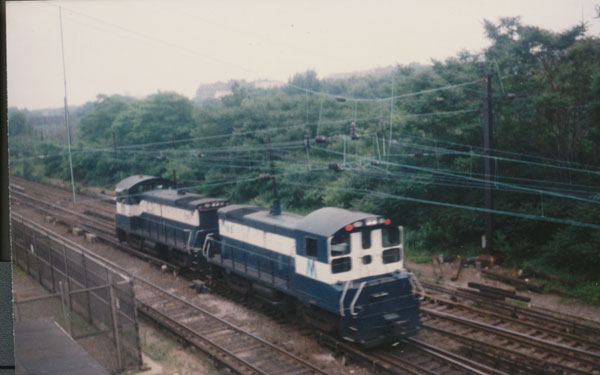
    LIRR ‘protect’ locomotives getting into position just before rush hour, one late summer day in 1991

    If you can cut through the foamer speak, this thread is pretty scary. In a nutshell, on September 13, 2010, the LIRR eliminated a ‘rescue’ train that helped maintain service and protect commuters lives.

    Elimination of ‘the harold protect’.
    Since the dawn of sanity, the LIRR has kept a set of “protect” locomotives (and crew to operate them) just east of the tunnels into Penn Station. This set of locomotives and associated personnel was refereed to as ‘the harold protects’ – named after the old railroad tower at 39th avenue bridge in Queens where they were based. This job was on call during the day, every weekday. They were tasked with “rescuing” stalled trains from the east river tunnels. This would save the railroad from potentially having to shut down or drastically delay 50% of its inbound and outbound trains from Penn when a train gets stuck under the river. The locomotives were diesel powered, allowing them to operate through the tunnels even when there is a problem with the electrical supply used by nearly all of the LIRR’s trains.

    One can think of the ‘protect crew’ as you might the fire department or police: by eliminating this service, the time estimates for removing a train stuck in these tunnels has grown. Insiders claim it could be as high as five hours. In emergency situations, that’s far, far too long. The personnel and equipment used for the protect train were no more idle thumb twiddling money-wasters than your local fire department. Sure, they probably have a measure of downtime in their day, but when your train gets stuck in the tunnel without electricity in the middle of summer – you now have a very dangerous situation.

    Rated as the most dangerous tunnels to be in, on a good day, by seasoned explorers

    East River tunnel exploring, 1996

    The tunnels themselves are rated well within the top five deadliest tunnels in NYC by our experienced team of intrepid insomniac tunnelophiles. You really – REALLY – do not want to get stuck down there. Most tunnels have emergency exists to the surface, but due to these tunnel being under the river, exits are few and far between. They were originally equipped with ladders and spiral staircases not conducive to evacuating a train filled with hundreds of passengers. It is also a long walk through this tunnel from exit to exit. For contrast, in the subways there are emergency exits to the street every 600-800 feet, they consist of a set of stairs up to a hatch leading to sidewalks on the streets above. The LIRR tunnel exits are generally older, smaller, and not built with rapid escapes in mind. Having witnessed the narrow track shelves and ridiculously non-functional ’emergency exits’ of the east river tunnels firsthand, I can tell you with 500% certitude that in case of emergency, these tunnels are definitely not where you want to be.

    It is estimated by some of the LIRR’s own employees that the MTA is at best saving a few thousand bucks on this cutback. It only required 2-3 employees on the shift each week, using 2 locomotives that were long bought and paid for – which are now left sitting in Jamaica not being used for anything. They represent hundreds of thousands of dollars in equipment that the LIRR has now let rust away, un-maintained.

    At a minimum, this cutback has already cost commuters with delays – over the last seven years, numerous trains were stuck in these tunnels. Without a dedicated LIRR crew to ‘rescue’ the train, the LIRR has been forced to rely on Amtrak for this service. Amtrak, of course, has their own problems.

    In the end, it is LIRR customers who lose. That loss is seen whenever a train gets stuck in these tunnels, and a ripple effect delays thousands of commuters. Fortunately it has only been resulted in a monetary loss for commuters. When a real disaster strikes, the stakes will be much higher.

    *Note* This article was drastically re-written and updated from it’s original format, published in 2010.